Dealers
 Sales portal
November 6, 2026
Crop Sequence Decides Your Spring Seedbed Before Seeding
The combine is parked and the bins are full. Now you're standing at the field edge in November, looking at…
Read More →
The combine is parked, the bins are full, and the soil probe is in the truck. You pulled samples on a few quarters and the numbers are in. Now comes the part that decides next spring: what do you do with those fields before the ground freezes?
Your own tests, and what you see in the field, should drive the tool you pull behind the tractor.

Lab numbers are one piece of the picture. How the soil is packed is another, and you only learn that in the field.
Soil compaction is worth checking on any field that is giving you trouble.
Not every field needs the same tool. Think about what the field is actually showing you.
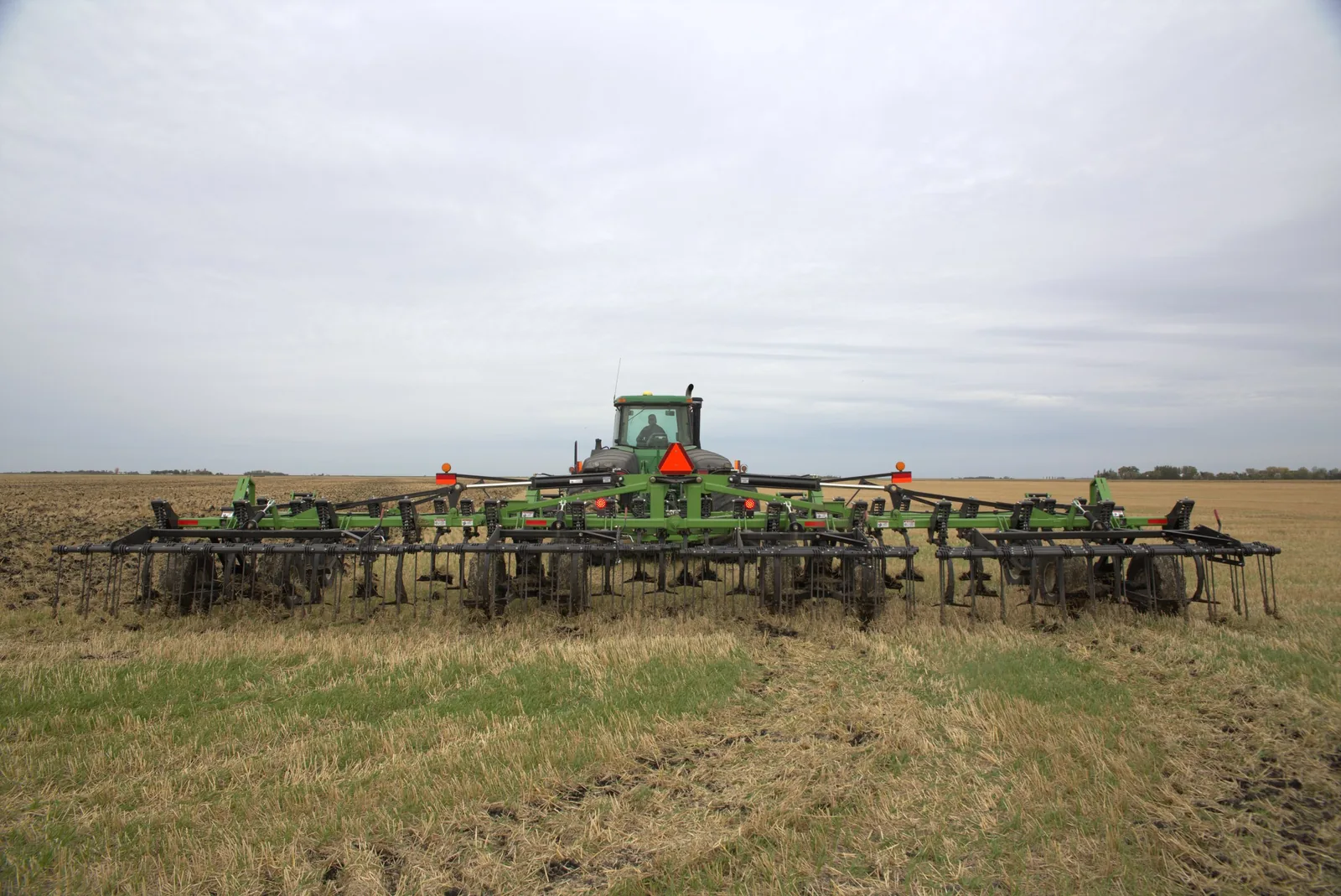
A chisel plow is a primary tillage tool. The shanks loosen and lift the soil without turning it over, so most of the residue stays on the surface. Because it can work deeper than a disc or a vertical tillage tool, it is used to fracture a compaction layer near its working depth.
That surface residue matters over winter. It holds topsoil in place and helps keep moisture in the ground come spring, which is why chisel work counts as conservation tillage.
One limit to keep in mind. A chisel will not break compaction deeper than it works. If the problem sits below the shank depth, a chisel pass will not reach it.
On rolling ground, contour-following matters too. The Mandako Chisel Flex runs 7 flex pivots on the 40′ and 11 on the wider units, so the shanks at the wing ends cut the same depth as those behind the hitch.
Chiseling is typically a fall job. A chisel can leave a rough seedbed, so a lighter tillage or harrowing pass in spring is the common finish. Keep that pass in your spring field-prep plan. Manitoba Agriculture classes chisel plus disc or harrow as conventional tillage, so know what your program calls for.

This is where fall tillage goes wrong. Do not chisel or rip moist or wet soil. It compacts and smears instead of fracturing.
Deep work also should not bring salts, rocks or carbonates up to the surface, so look at the profile before you set your depth.
If the ground is wet, wait.
Take a spade to the field that still underperforms and find the depth of the tight layer. Chisel that field only if the soil is dry.
Meet our team at an upcoming event and get a hands-on look at Mandako's latest tillage solutions.
The combine is parked and the bins are full. Now you're standing at the field edge in November, looking at…
Read More →
You finish combining a wet harvest and the tire tracks across the headlands tell part of the story. But wet…
Read More →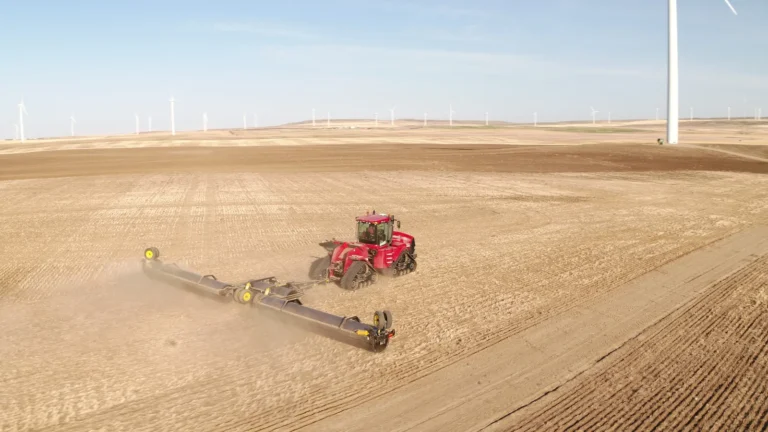
You borrowed a neighbor's roller for two seasons and it worked well enough. Now you're ready to buy your own.…
Read More →