Dealers
 Sales portal
October 30, 2026
Soil Compaction Tests You Can Run Before Fall Tillage
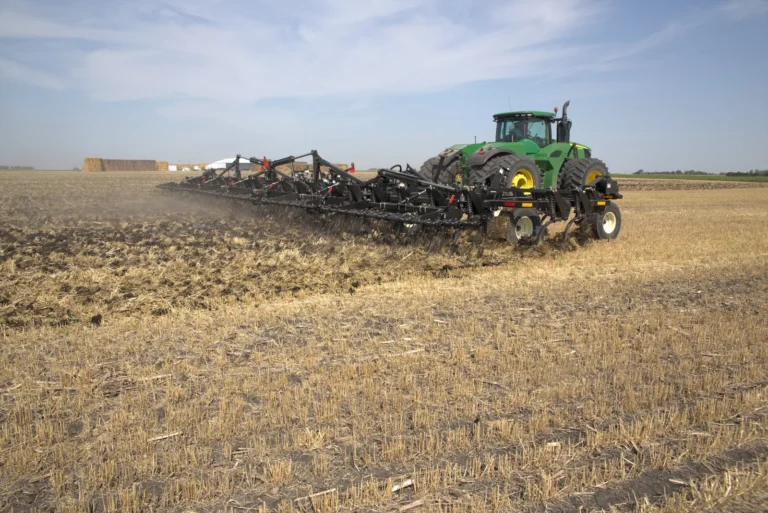
You finish combining a wet harvest and the tire tracks across the headlands tell part of the story. But wet…
Read More →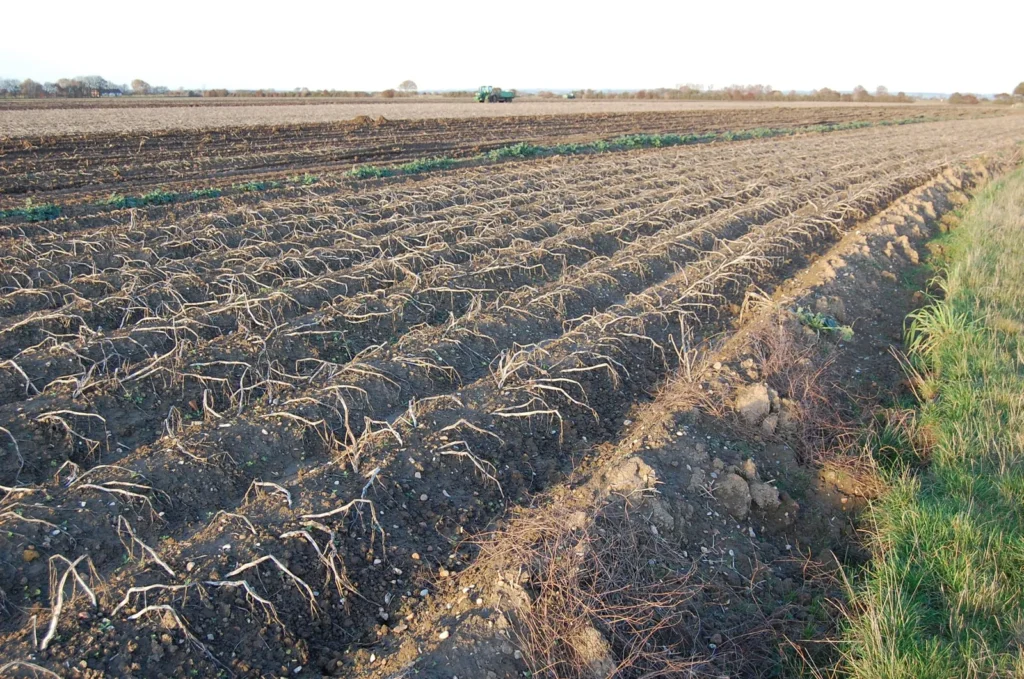
The combine is parked and the bins are full. Now you’re standing at the field edge in November, looking at what the crop left behind and thinking about next year’s seeding. That stubble, and the stones and root balls under it, are where next spring’s seedbed starts. The rolling itself is mainly a spring job, but the notes for it are easy to make now, with the stubble still standing and the problem spots fresh in your mind.
That is where fieldwork comes in. A crop rotation on paper looks tidy. In the field, each crop leaves its own load of crop residues, and each one asks for something different at seeding.

Walk the field before the snow. Look at the stubble height, how evenly the straw was spread, and how much sits in rows or piles from the combine.
Write all of it down while it is in front of you. Good crop residue management starts with that honest look at each field.

Next year’s crop shapes the surface plan. Soybeans, field peas, lentils and canola are the crops that get rolled on the Prairies. On stony fields, rolling is what lets the header run low at harvest without picking up rock. A lower cutting height also helps with picking up lodged plants and with harvest efficiency, according to Saskatchewan Pulse.
Plan around the weather as well. Do not roll wet soil, and avoid pre-emergence rolling when heavy rain is forecast, because a crusted surface can cut emergence badly.
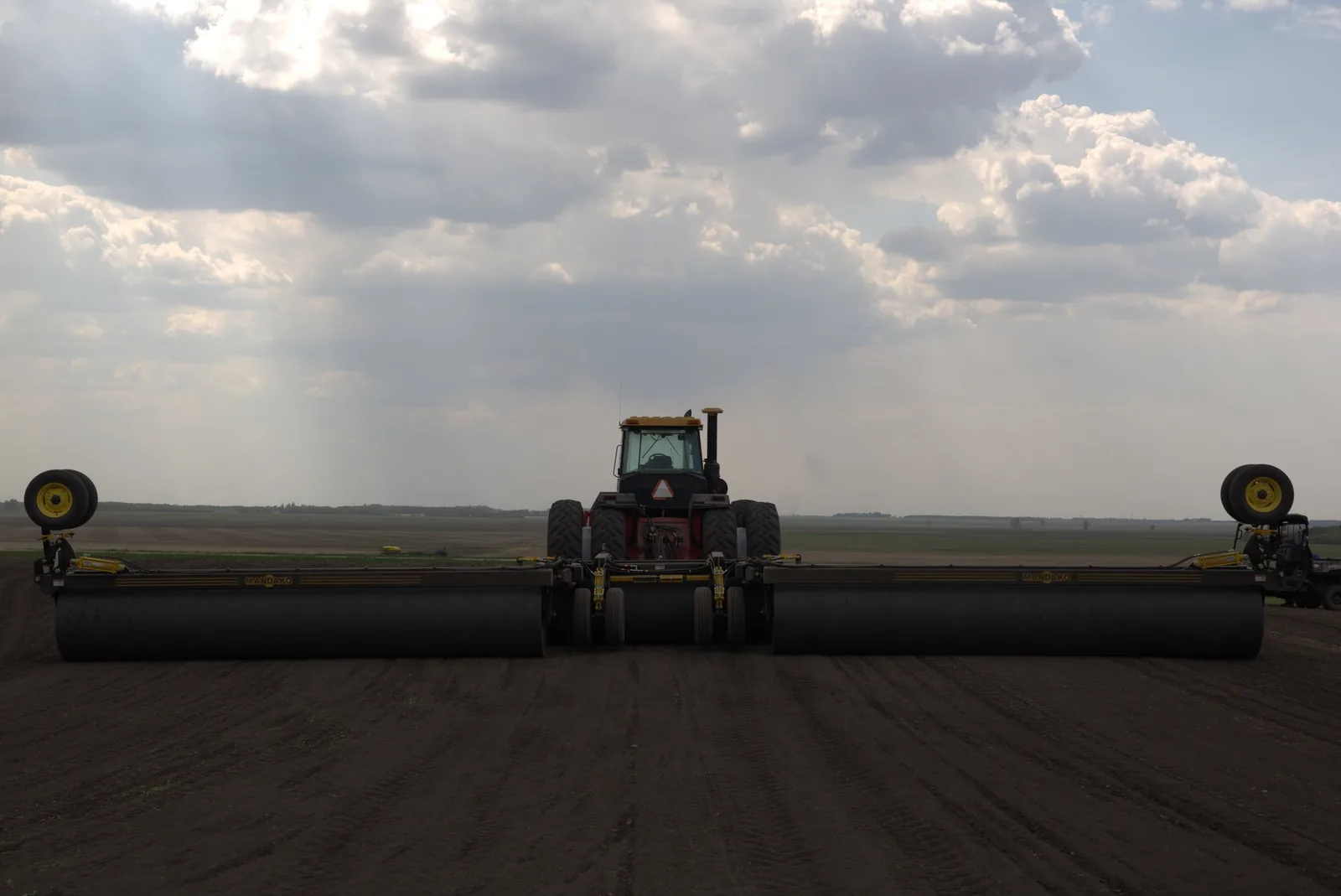
Rolling is done either right after seeding or after emergence while the crop is still within its stage limit. Fall rolling happens, but spring is the main window. Treat rolling as part of next spring’s seeding plan, not as a post-harvest chore.
The main payoff comes at harvest. A roller presses stones and root balls down and levels the surface, so the header can run low without picking up rock. It also firms the surface for better seed-to-soil contact. Trials from extension groups have not shown a consistent yield bump from rolling. Its value is a safer, easier harvest.
A land roller does this job on the ground it is over. If you are working on stony ground and want a multi-section unit, the Mandako 3-Plex Landroller runs a standard 42″ x 5/8″ drum that carries 465 to 530 lb per foot of width, and its wings pivot behind a floating hitch so each drum follows the ground it is over instead of bridging dips.
Rolling is a surface operation. It does not fix deep compaction, drainage problems or big elevation differences. Do not roll wet soil, and do not roll past the crop’s stage limit. Saskatchewan Pulse and Manitoba Pulse give specific guidance by crop, so check it before you go.
Before freeze-up, copy your field notes into one list so they are in front of you when spring seeding plans come together.
Meet our team at an upcoming event and get a hands-on look at Mandako's latest tillage solutions.
You finish combining a wet harvest and the tire tracks across the headlands tell part of the story. But wet…
Read More →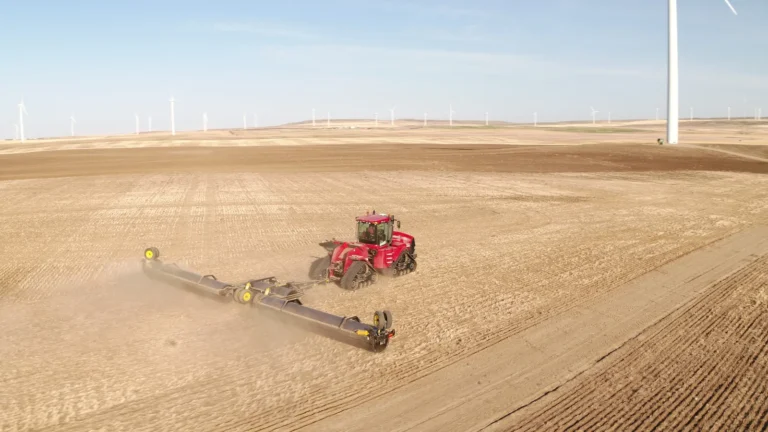
You borrowed a neighbor's roller for two seasons and it worked well enough. Now you're ready to buy your own.…
Read More →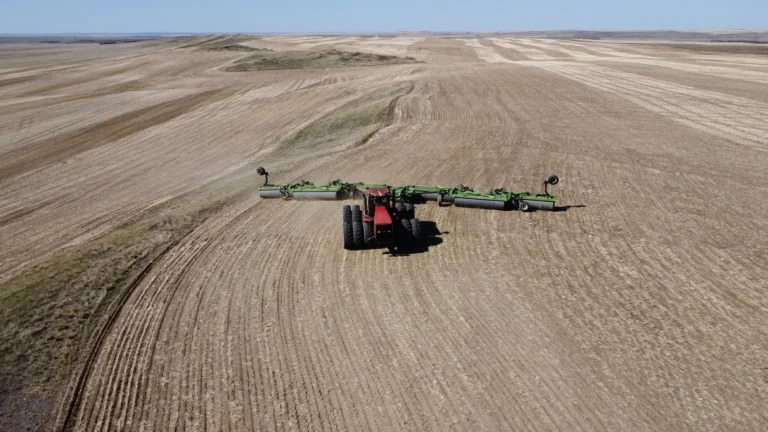
The frost heaves a field overnight and by morning you're looking at granite the size of basketballs sitting right where…
Read More →