Dealers
 Sales portal
October 27, 2026
Choosing the Right Land Roller for Your Tractor
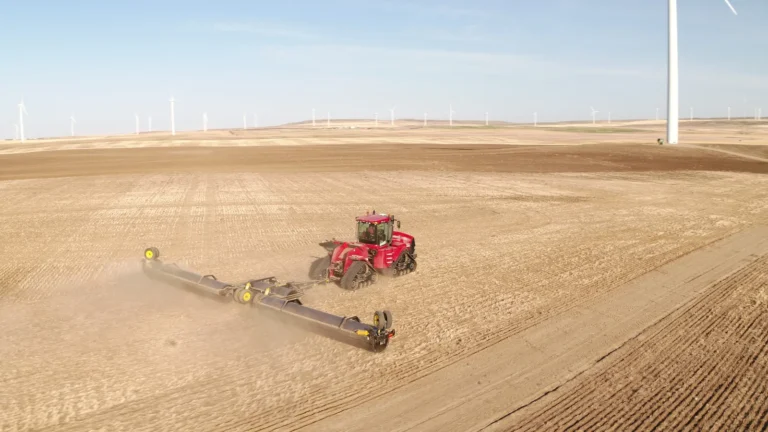
You borrowed a neighbor's roller for two seasons and it worked well enough. Now you're ready to buy your own.…
Read More →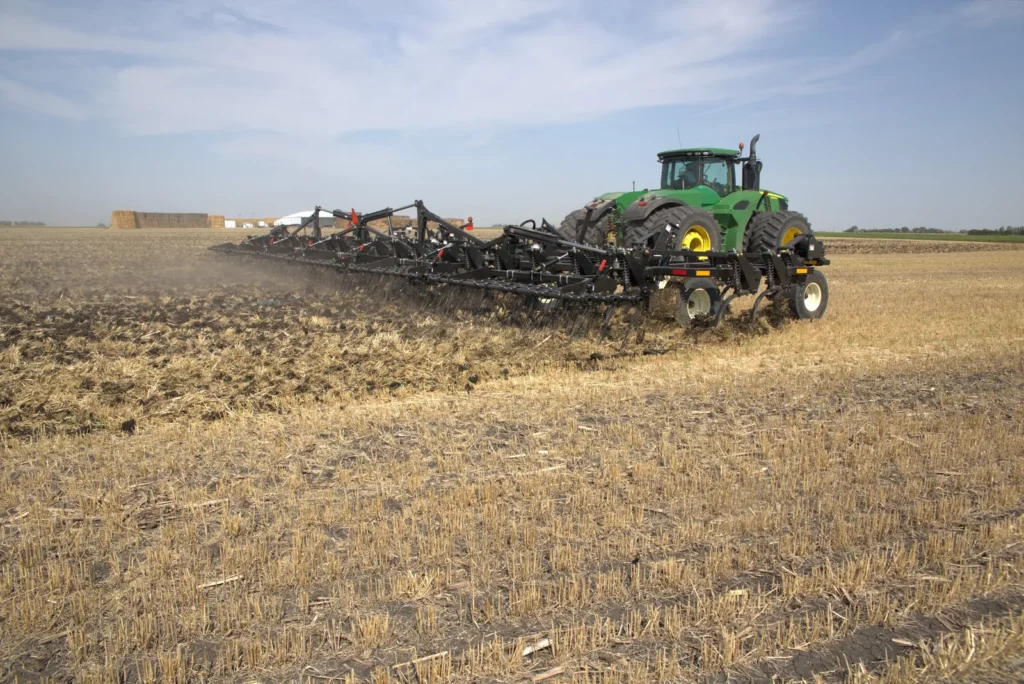
You finish combining a wet harvest and the tire tracks across the headlands tell part of the story. But wet August traffic through saturated subsoil can leave compaction that doesn’t show on the surface. Before you commit a chisel plow to every acre, run a few quick field tests. Knowing where the problem actually is saves fuel, saves time, and keeps you from working ground that doesn’t need it.

Soil compaction restricts root growth, slows water infiltration, and limits how well nutrients move through the profile. The trouble is, not every field carries the same load the same way. Clay fields saturated during grain cart traffic behave very differently from a sandy loam that dried out before combining started. Testing tells you which fields genuinely need tillage and which ones can wait.
Skipping the test and running a chisel pass on every field is expensive and can break down soil structure in places where it’s still intact. Do the diagnostic work first.
A soil penetrometer is a steel probe with a cone tip that you push into the ground at a steady rate. The gauge displays resistance in pounds per square inch (psi). Threshold numbers vary with soil texture and moisture, so always test at representative moisture conditions, not immediately after a rain when everything reads soft.
Penetrometers are inexpensive and simple to use. Push the probe at a consistent speed, check the gauge every two or three inches of depth, and note where resistance jumps. A sudden increase in the mid-profile often points to a tillage pan created by years of working at the same depth. A spike deeper in the profile can suggest subsoil compaction from heavy axle loads.
Take readings in at least three spots per zone: the wheel tracks, mid-row, and headlands. Headlands almost always show higher numbers. That comparison tells you whether you’re dealing with a field-wide problem or isolated traffic lanes.
A penetrometer gives you numbers. A shovel puts a picture in front of you. Dig a pit about eighteen inches deep in a suspected compacted zone and in a low-traffic area for comparison. Look at root architecture in each wall. Roots in compacted soil grow horizontally along the restriction layer rather than pushing through it. That horizontal mat is a clear sign the layer is dense enough to redirect growth.
Also look at how the soil breaks apart. Healthy, well-structured soil fractures along natural aggregate faces. Compacted soil shears in flat, greasy plates, or comes out as a hard, uniform block. The difference is obvious once you’ve seen both side by side.
This one costs almost nothing. Straighten a piece of wire, roughly the gauge of a coat hanger, into a probe about eighteen inches long. Push it by hand into the soil. Where it bends or stops is roughly where the resistance layer sits. This isn’t a precise measurement, but it’s fast. Walk a field in ten minutes and get a rough map of where hard spots concentrate before pulling out the penetrometer for detailed readings.
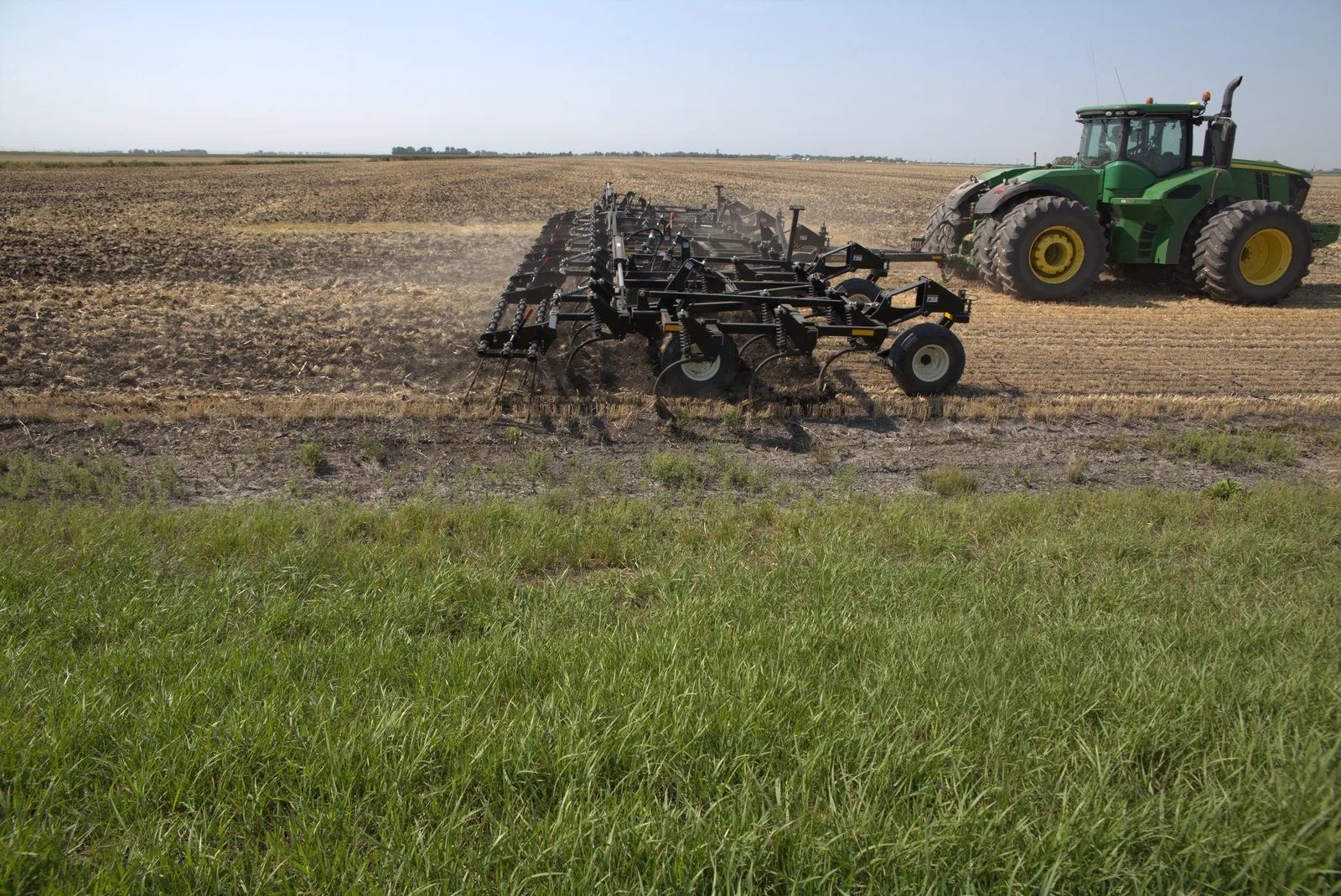
If penetrometer readings show a consistent restriction in the six to twelve inch range, tillage is justified. A chisel plow run at the compacted layer fractures the restriction zone without inverting the soil. The goal is to shatter that layer and leave residue on the surface rather than bury it.
The Mandako Chisel Flex uses mechanical depth control to set shanks from 1″ to 6″, so you can match the working depth to where your test data shows the restriction sitting rather than guessing or running at a fixed depth out of habit.
If your readings are high only in wheel tracks and headlands, consider whether full-field tillage is warranted. Spot-treating heavy traffic areas and leaving the rest alone protects the soil health in undamaged zones.

Tillage on wet soil creates compaction rather than relieving it. Wait until the field has dried down enough that soil falls away from the chisel shanks in loose chunks rather than clinging and smearing. Wet soil tells you the conditions are still wrong, and you will compact the sidewalls of every shank channel you open.
Once your penetrometer readings confirm a restriction layer and the soil has reached the right moisture, set your chisel depth to the hard layer and make one pass. Check readings again the following spring, and if resistance is still elevated, verify that soil moisture is suitable and reset your depth to the new restriction before running another pass.
Meet our team at an upcoming event and get a hands-on look at Mandako's latest tillage solutions.
You borrowed a neighbor's roller for two seasons and it worked well enough. Now you're ready to buy your own.…
Read More →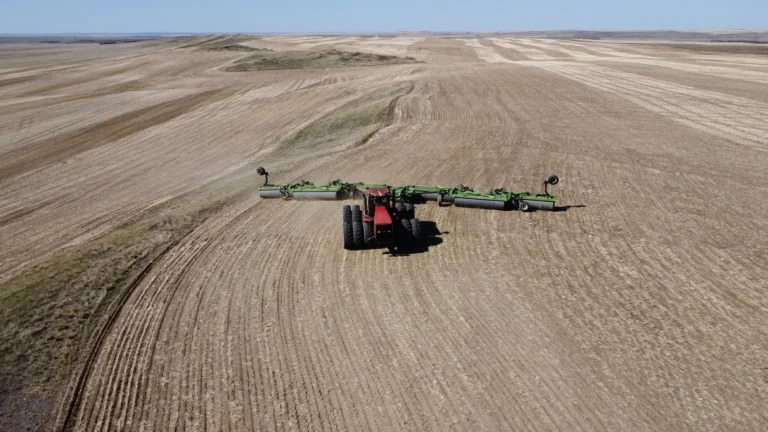
The frost heaves a field overnight and by morning you're looking at granite the size of basketballs sitting right where…
Read More →
You've finished seeding that stony quarter and the clock is already ticking. The surface is rough, stones are sitting proud…
Read More →