Dealers
  Sales portal
 Seedbed preparation is a crucial agricultural process aimed at creating an optimal environment for seed germination and seedling growth. This process involves various soil management practices to ensure the soil is properly conditioned, facilitating improved crop establishment and yield.
Importance of Seedbed Preparation
Effective seedbed preparation ensures the soil is well-aerated, free of large clods, and has a fine texture. These conditions are essential for:
- Uniform seed germination: Ensuring that seeds have good soil-to-seed contact and consistent moisture levels.
- Optimal root development: Providing a conducive environment for roots to penetrate and access nutrients.
- Weed control: Reducing competition from weeds by disrupting their growth and creating a clean planting surface.
- Improved crop yield: Enhancing the overall productivity of the crops by promoting healthy plant growth from the beginning.

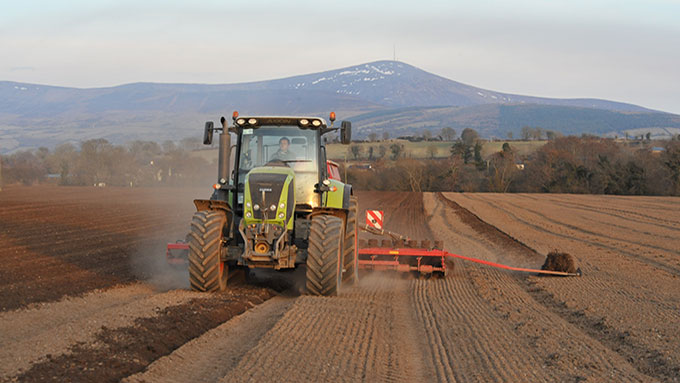
Steps in Seedbed Preparation
- Primary Tillage: This initial step involves using plows or deep tillage equipment to break up the soil, incorporate crop residues, and control weeds. Mandako offers robust tillage equipment that excels in various soil conditions, ensuring thorough soil preparation.
- Secondary Tillage: Following primary tillage, secondary tillage refines the soil texture, breaks down clods, and levels the field. Implements like harrows and cultivators are typically used in this stage. Mandako’s Field Sergeant is perfect for this purpose, offering precise control and efficient soil refinement.
- Land Rolling: Land rollers are used to firm the seedbed, ensuring a smooth and even surface. This step is crucial for enhancing seed-to-soil contact and preventing soil erosion. Mandako’s LR Series Land Rollers are specifically designed to provide consistent soil compaction without causing excessive soil compaction, improving the overall seedbed quality.
- Fertilization and Soil Amendments: Adding fertilizers and soil amendments based on soil test results to provide essential nutrients for the seedlings. This step ensures the soil is nutrient-rich and conducive to seedling growth.
- Final Seedbed Preparation: Using tools like seedbed conditioners or rollers to create a fine, level soil surface ready for planting. This step ensures that the soil is properly prepared to receive seeds, promoting uniform germination and healthy plant growth. Mandako’s Chisel Flex equipment provides excellent flexibility and depth control, ensuring thorough soil penetration and preparation.
Benefits of Using Land Rollers in Seedbed Preparation
- Improved Seed Germination: By creating a firm and uniform seedbed, land rollers ensure better seed-to-soil contact, leading to improved germination rates.
- Enhanced Soil Moisture Retention: Firming the soil surface helps retain moisture, which is crucial for seed germination and early plant growth.
- Reduced Soil Erosion: A smooth and compacted seedbed minimizes soil erosion caused by wind and water.
- Efficient Planting: Land rollers create an even surface that facilitates efficient planting operations and uniform crop stands.
Conclusion
Seedbed preparation is a foundational step in successful crop production. Using equipment like Mandako’s LR Series Land Rollers ensures that the soil is optimally prepared, leading to enhanced crop performance and yield. Properly executed seedbed preparation sets the stage for healthy crop growth, ultimately contributing to a more productive and sustainable farming operation.