Dealers
  Sales portal
 A land roller is a heavy, cylindrical tillage implement pulled behind a tractor to firm the soil surface, press rocks below the cutting plane of harvest equipment, and flatten standing or matted crop residues. It works by applying consistent downward pressure across the width of the drum, consolidating loose or uneven ground without inverting the soil profile. Land rollers are widely used on the Canadian Prairies, in the northern United States, and in any region where glacial till leaves surface rocks that can wreck a combine header or seeding toolbar.
What a Land Roller Does to the Field

The primary job is rock management. A single pass pushes surface stones down far enough that swather guards, draper heads, and pickup reels clear them at harvest. That protects expensive equipment and keeps operators out of the field making repairs.
Beyond rocks, rolling firms a loose or cloddy surface after tillage or a rough winter. A firm, level seedbed improves seed-to-soil contact and supports more uniform germination rates. Rolling also presses residue flat, which helps air-seeder openers track cleanly and reduces hair-pinning. On worked ground, the consolidated surface can slow soil erosion by wind between seeding and crop emergence.
When and How to Use One
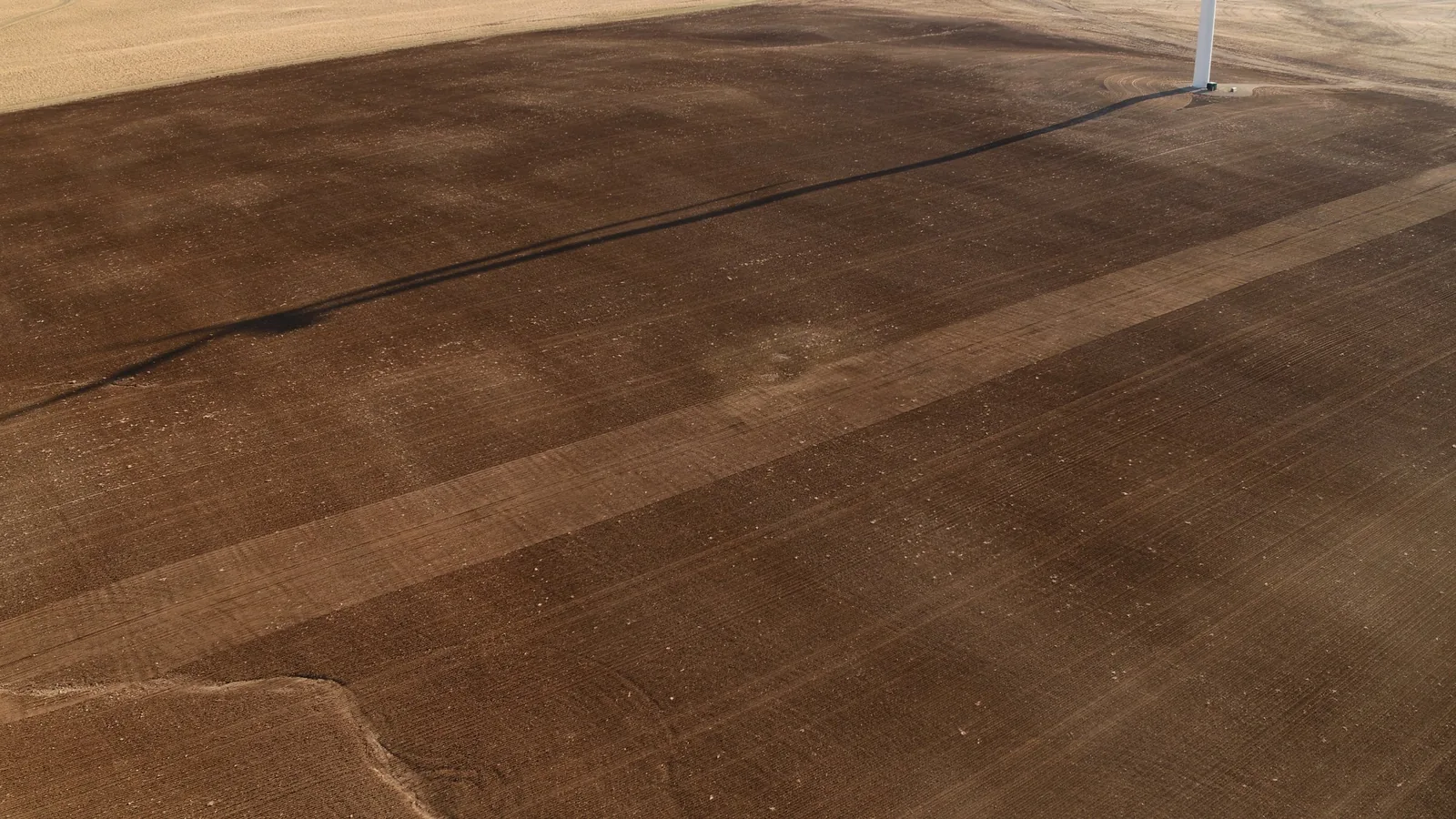
Most farmers roll either pre-seeding or shortly after seeding, before the crop emerges. Rolling on wet soils risks compaction near the surface, so timing matters. Wait until the top few inches have dried enough to carry the implement without smearing. On light, sandy soils, be especially cautious about unnecessary passes.
Land rollers fit naturally into no-till and reduced tillage programs where producers are trying to limit disturbance but still need a safe, even surface for harvest. Rolling also supports moisture retention by reducing air pockets in the seedbed. Producers using cover crops sometimes roll at termination to crimp stems and accelerate breakdown, though a dedicated crimper roller is purpose-built for that task. Good seedbed preparation and rolling work together, but rolling is not a substitute for addressing deeper soil compaction issues.
Mandako Land Roller Equipment
Mandako builds a full range of land rollers to match different farm sizes and field conditions. The Mandako 3-Plex Landroller, 5-Plex Landroller, and 7-Plex Landroller are folding multi-section machines suited to wide Prairie acres. The Inline Landroller is designed for narrow or irregular fields where a straight-line drum is a better fit. All Mandako rollers are built in Plum Coulee, Manitoba, for the conditions Prairie farmers actually deal with.
For more farm equipment and agronomy definitions, visit the Mandako AgriPedia.