Dealers
 Sales portal
No till
No till is a cropping practice in which seed is placed directly into undisturbed soil without any prior tillage pass. The previous crop’s standing stubble and surface residue are left largely intact from harvest through to the next seeding.
Why no till matters on the Prairies
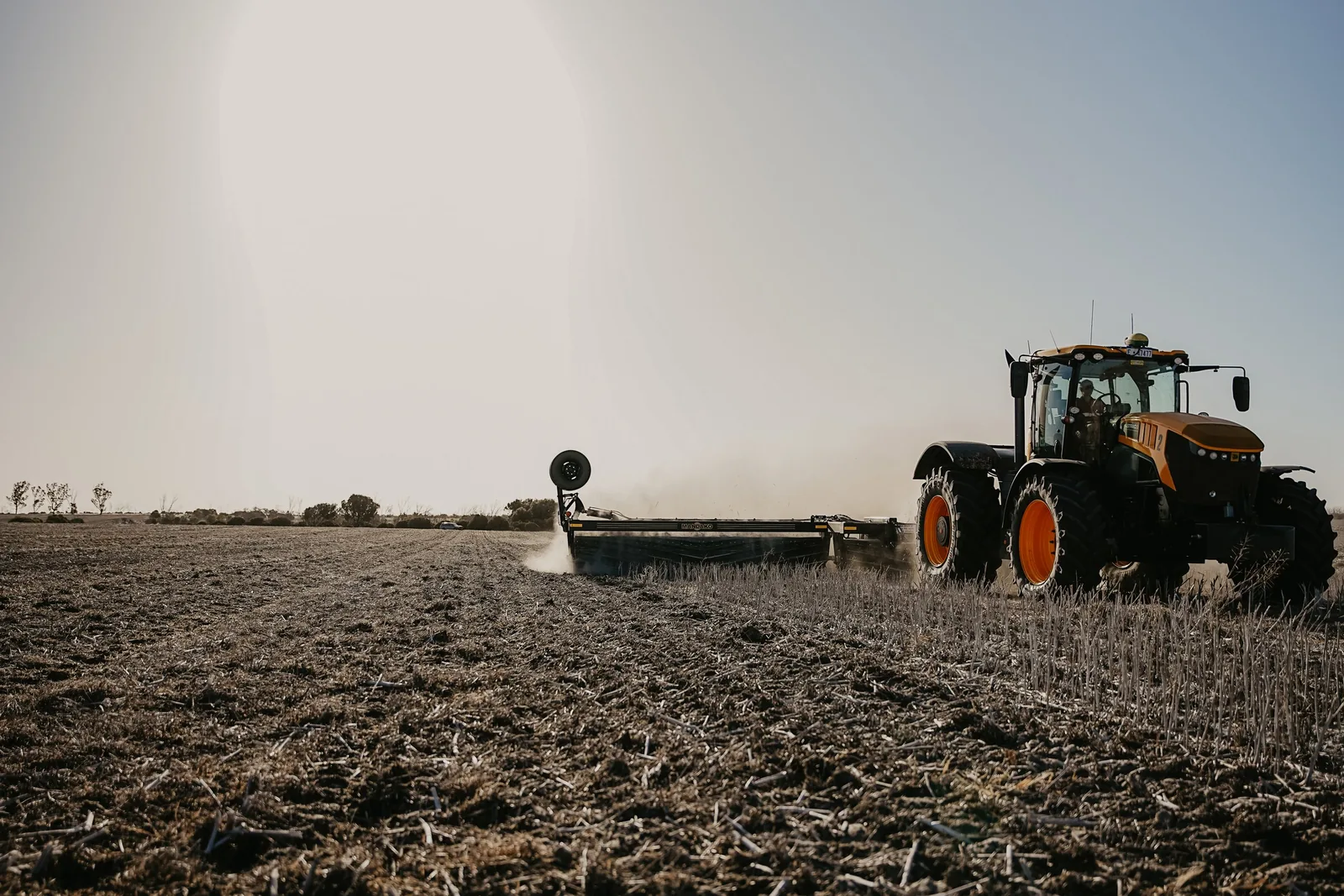
On the Northern Plains, wind and water strip topsoil from bare ground fast. A field that goes into winter without residue cover is vulnerable, and a producer can watch years of built-up organic matter blow down the road in a single dry spring. No till keeps crop residues anchored on the surface, where they slow runoff, trap snow, and feed soil biology through the dormant season. In the Brown and Dark Brown soil zones especially, that surface mulch is what makes the difference between a crop that has moisture to germinate and one that fires out of the ground and stalls.
Over time, producers may find slower soil warming in heavy residue springs, and phosphorus can stratify near the surface. That trade-off requires attention in the fertility program.
How producers manage a no-till system
Success in no till starts with equipment that can cut through residue cleanly and place seed at a consistent depth without hairpinning straw into the furrow. Most Prairie producers running no till rely on an air seeder paired with a disc-opener drill, set up to handle the heaviest wheat or canola stubble the previous crop left behind. Seeding timing follows soil temperature, not the calendar. Crop rotation matters too: alternating canola, wheat, and pulses keeps residue types varied and reduces disease pressure. Some producers integrate cover crops into their no-till rotation to add diversity and feed soil biology between cash crops, terminating the cover mechanically before seeding.
Weed management shifts entirely to chemistry and rotation, since there is no tillage pass to bury seeds or cut roots.
Equipment that fits a no-till operation
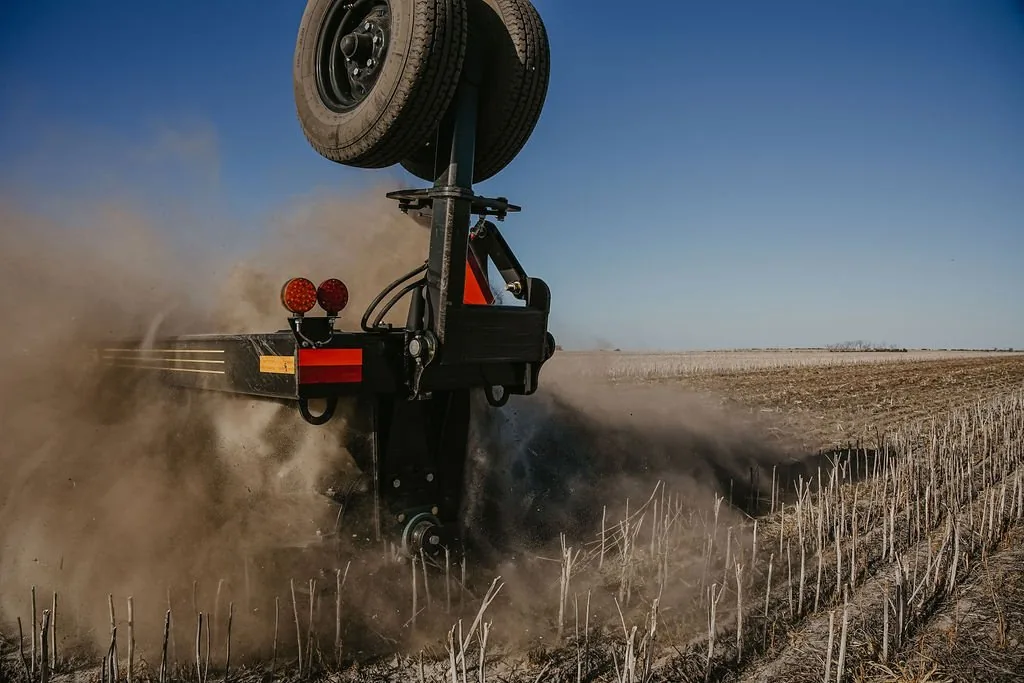
Where no till includes cover crops terminated mechanically, the Cover Crop Crimper is the right tool. Its crimping bars are spaced 7 inches apart and bend stems at that interval rather than cutting them, so the cover lies flat as a mat ahead of the drill without wrapping. The machine carries about 530 LBS per foot of width, which keeps ground pressure consistent across varying terrain. For seasons when residue from heavy corn or canola crops needs sizing before direct seeding, the Mandako STORM can make a single light vertical-tillage pass to spread residue while keeping soil disturbance minimal, staying consistent with conservation tillage principles.