Dealers
 Sales portal
Roller width
Roller width is the total working span of a land roller measured in feet from one end of the drum assembly to the other. It determines how many acres the machine covers in a single pass across the field.
Why roller width matters on the Prairies
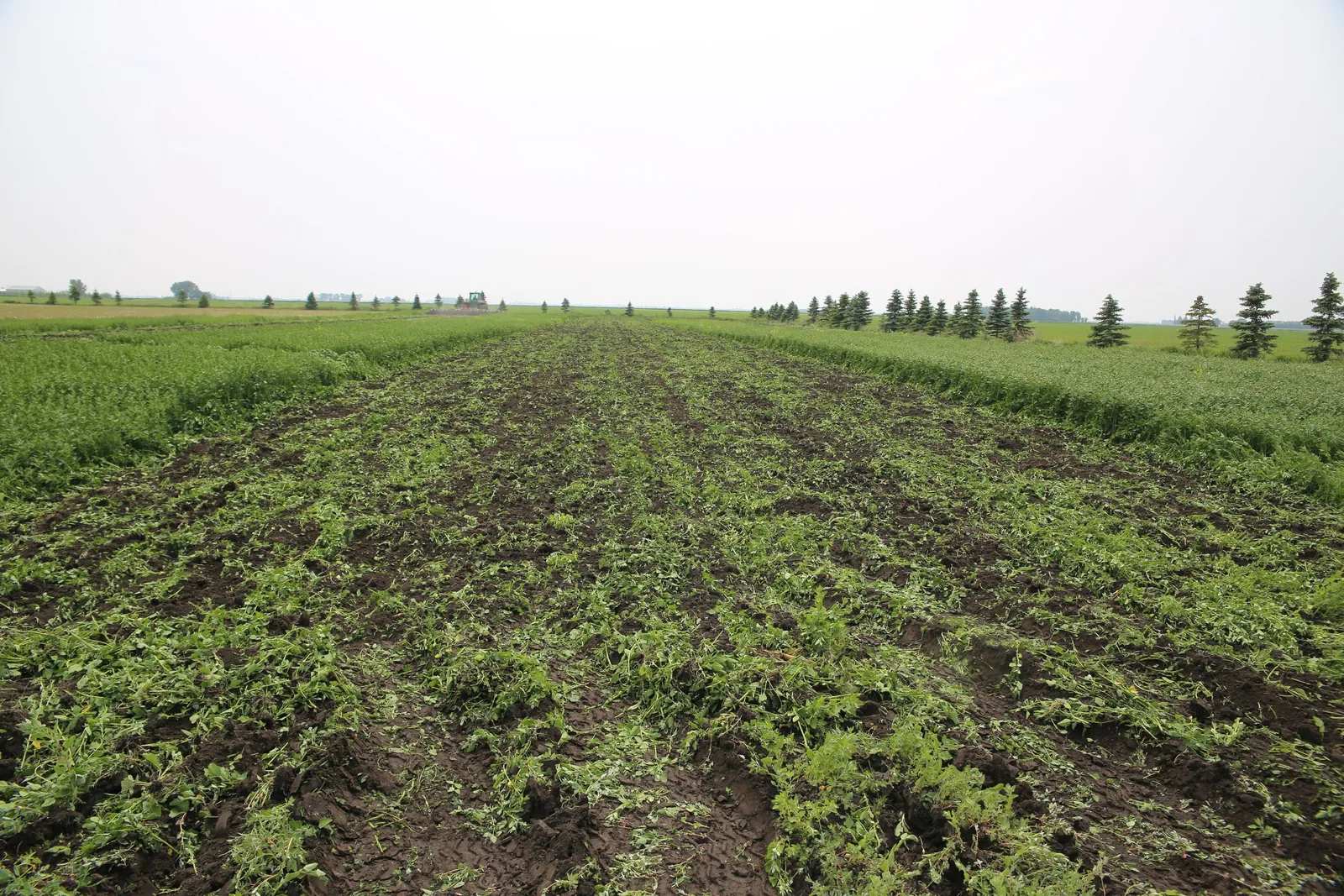
Prairie fields are wide and the rolling window is short. Peas and lentils need to be rolled as soon after seeding as possible, when the soil is slightly moist but the top layer is dry, according to Saskatchewan Pulse. Miss that window and you either roll too early into wet ground, which compacts the soil, or you wait too long and push past the safe crop stage. A machine that is too narrow for the field means extra passes, more trips around the headlands and a narrowing gap before emergence. Get the width wrong and the job simply does not get finished before the crop stages out.
At harvest the consequence is just as direct. Stones that were not pressed down force the combine header higher, which means more crop left on the ground.
How producers match width to their operation
The starting point is tractor horsepower, not field size. A narrower machine needs less power, so match the roller to what is in the yard, then check whether it will finish the field in the available window. Transport width is a second constraint. Gravel roads, grid road approaches and grain-yard gates all set a practical ceiling on what size travels legally. Saskatchewan Pulse guidance reminds growers to roll field peas only up to about the fifth node and lentils up to the five to seven node stage, so a wider machine that finishes the field faster reduces the chance of rolling past those limits. Post-emergence soybeans need to be rolled in afternoon warmth, with Manitoba Pulse targeting about 25°C or warmer, and that window closes by early evening.
Equipment that fits
The Mandako 3-Plex Landroller covers 30 to 61 feet, built in seven widths for tractors from 120 horsepower on the smallest size. The 30-foot through 50-foot sizes fold to 11 feet 7 inches, so even the larger units in that range travel legally on gravel roads. For wider operations, the 5-Plex runs from 62 to 85 feet and the 7-Plex goes up to 112 feet, covering over 80 acres per hour at that width and folding to 19 feet 11 inches on every size. All three are built in Plum Coulee, Manitoba, on 42-inch drums.