Dealers
 Sales portal
Field leveler is a common term for any implement that smooths and firms field surfaces by pressing down stones, flattening ruts and eliminating clods. On the Prairies, the job is almost always done with a land roller, a heavy cylindrical drum pulled across the field before or after seeding.
Why a level surface matters on the Prairies
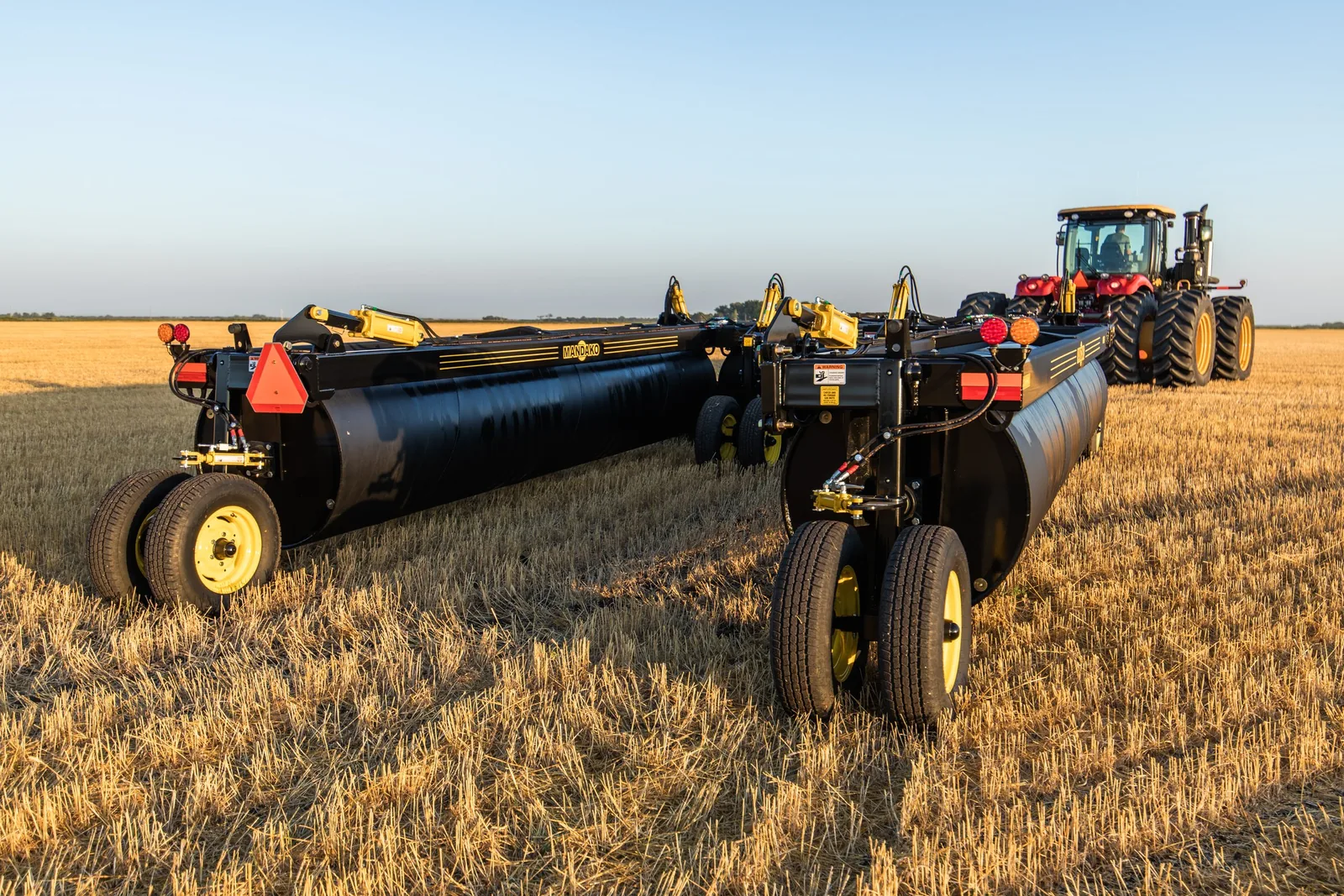
Stones are the issue most producers think about first. A rough, rock-studded surface forces the combine header up, leaving grain behind and raising the risk of costly stone strikes. Pressing rocks and root balls down lets the cutting platform run low and clean at harvest, which is the main reason Prairie farmers roll in the first place.
Rolling also firms the surface, which improves seed-to-soil contact. A firmed, even seedbed gives seed a consistent environment across the whole field. Saskatchewan Pulse Growers list a lower cutting height, better pickup of lodged plants and better harvest efficiency among the direct benefits of rolling pulse crops.
How Prairie producers use a field leveler
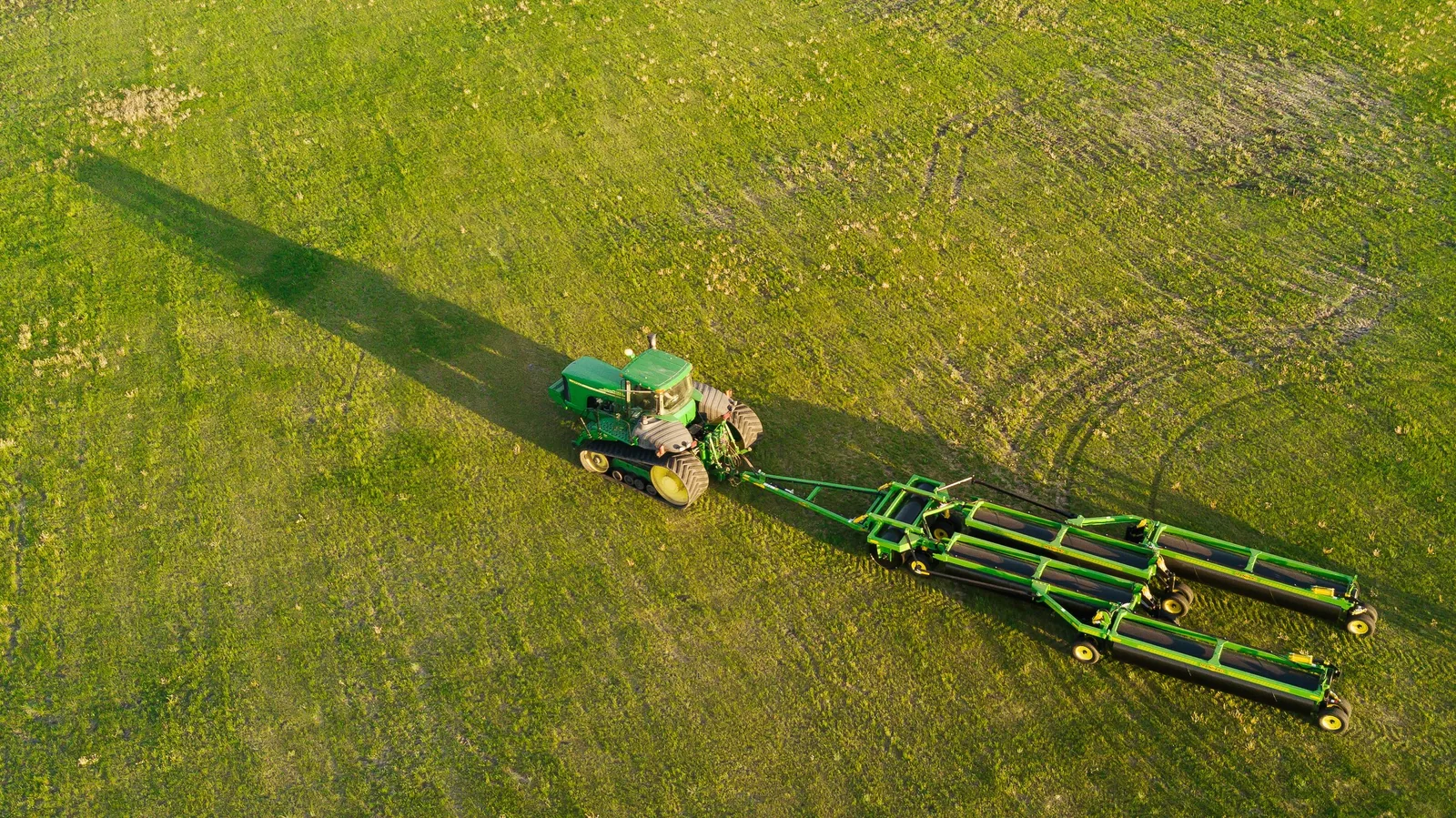
Spring is the main season. Producers roll soybeans, field peas, lentils and canola either right after seeding or within a crop-specific window after emergence. The goal for pre-emergence passes is to get on the field as soon as possible after planting, while the soil is slightly moist beneath a dry surface. Rolling wet soil compacts and seals it, so producers wait for conditions to firm up first.
Post-emergence rolling carries more timing discipline. Saskatchewan Pulse recommends rolling lentils up to the five to seven node stage and field peas up to about the fifth node. For soybeans, Manitoba Pulse targets the afternoon of a warm day, when plants are slightly wilted and less likely to snap under the drum. Producers on sandy or light soils often prefer post-emergence passes to avoid leaving a smooth, bare surface that wind can pick up.
Equipment that fits the field leveling job
The Mandako 5-Plex Landroller is built for large Prairie operations: six widths from 62 to 85 feet, with 42-inch drums at a 0.625-inch wall carrying 487 to 556 lb per foot of width, and sections that overlap 2 to 3 inches so no unrolled strip is left between drums. For mid-size farms, the Mandako 3-Plex Landroller covers 30 to 50 feet with 42-inch drums and a floating hitch that keeps each section on the ground over dips. Producers running the largest acreages can step up to the Mandako 7-Plex Landroller, which reaches up to 112 feet wide in a single pass. Match machine width to your field size and tractor horsepower so you finish in fewer passes.