Dealers
 Sales portal
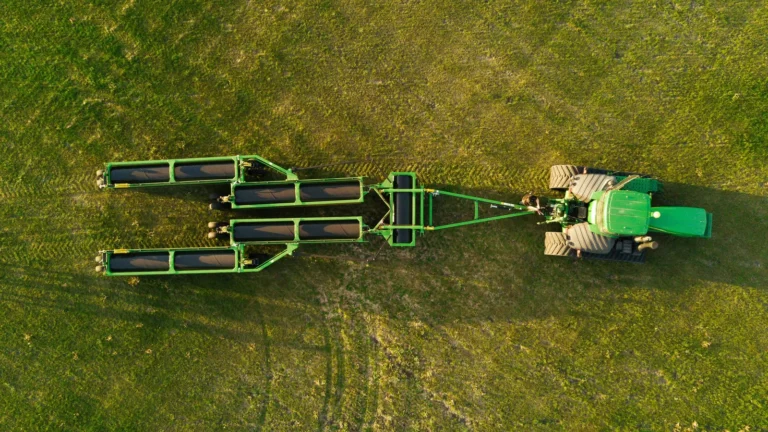
Leveling Fields With a Land Roller
You've finished seeding that stony quarter and the clock is already ticking. The surface is rough, stones are sitting proud…
Read More →
The frost heaves a field overnight and by morning you’re looking at granite the size of basketballs sitting right where your drill needs to run. On a Saskatchewan field with a heavy glacial deposit, that’s not unusual in spring. The window between when the soil firms up enough to carry equipment and when seeding starts can be as short as a week. Getting rocks pressed down in that window is the job. Miss it and you’re gambling with your header, your seeder, and your tires all season.
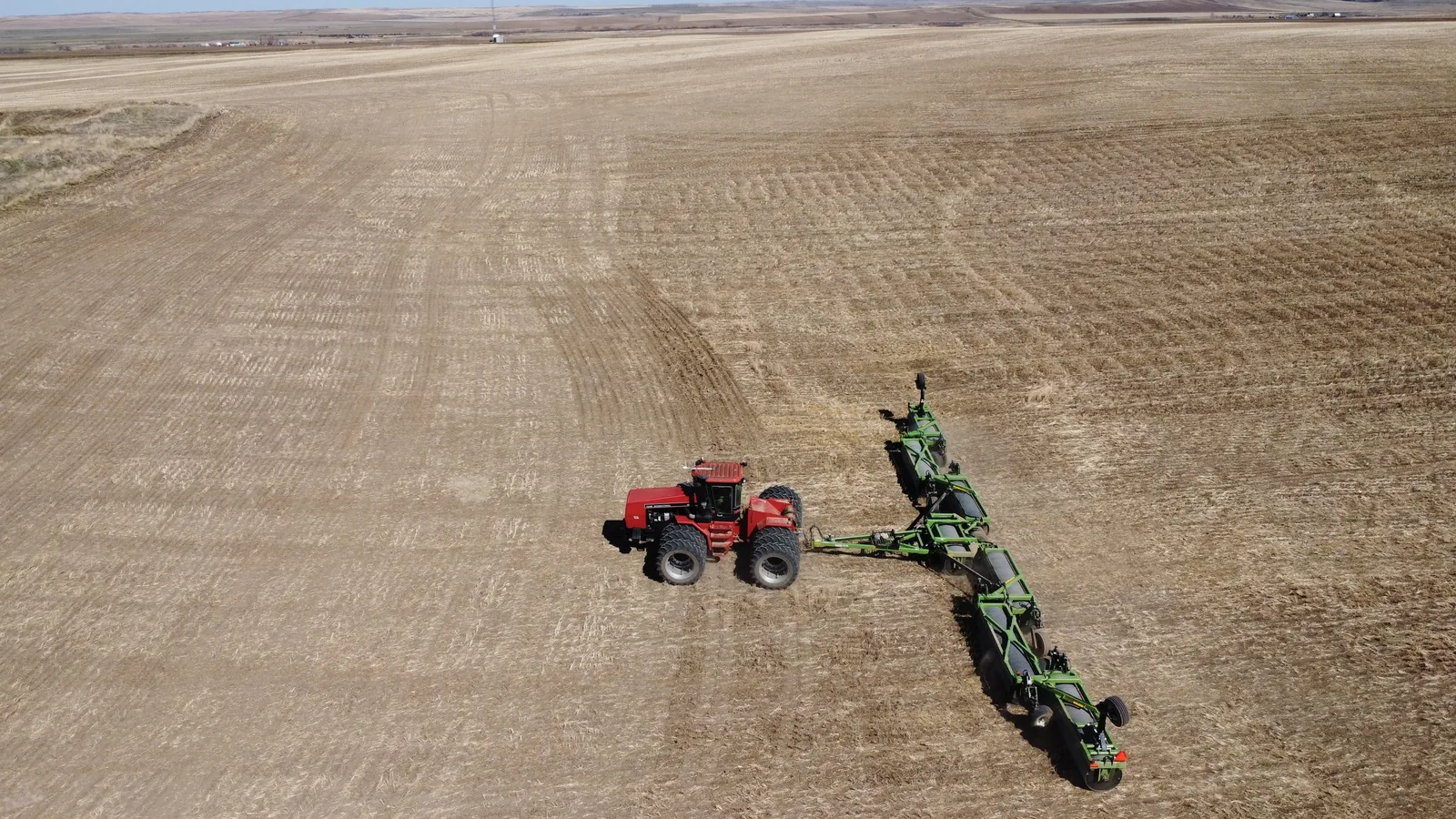
Frost push is real. Rocks that were below the surface last fall reappear every spring as freeze-thaw cycles work them upward. The good news is that the same soil conditions that let frost lift rocks also let a rock roller press them back down. Moist, slightly soft soil has enough give that a heavy roller can push stones down rather than simply sliding over them.
Wait too long and the soil dries and crusts. At that point you’re rolling firm ground and getting far less penetration. The rock stays proud of the surface and becomes a hazard.
Roll too early, while the field is still saturated, and you create soil compaction in the wheel tracks that can affect root development and water infiltration for the rest of the season. The ideal moment is when the soil supports the tractor without leaving deep ruts but still has enough moisture to allow rocks to be pushed down.
Walk the field first. You want to know the density of surface rocks, whether they’re concentrated in specific zones, and how wet the low spots still are. In fields with a history of heavy glacial till, rocks tend to cluster along subtle ridges or in areas where the topsoil is shallower.
Press your heel into the ground in a few spots. If your boot sinks more than an inch without effort, the soil is still too wet for rolling. If it barely marks the surface, you’ve waited too long. You’re looking for something in between, where the soil has structure but still has give.
Check your seedbed preparation plan at the same time. If you’re planning any tillage passes before seeding, do those after rolling, not before. Rolling a tilled surface loses much of its benefit because there’s less firm soil behind each rock to hold it in place.
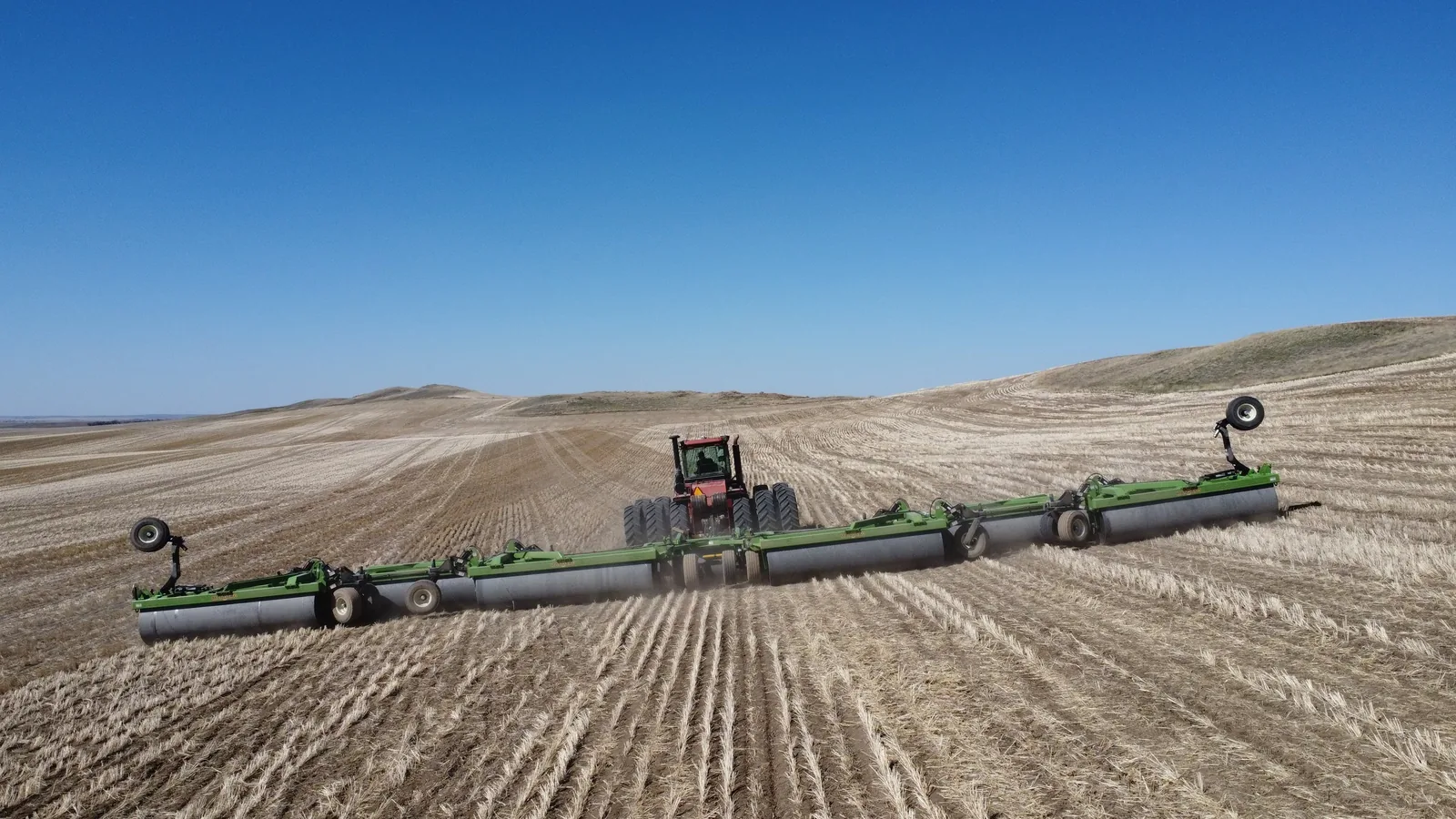
Overlap your passes slightly. Rocks sitting between drum sections on a segmented roller can escape if you don’t account for the gaps.
For open fields where coverage speed matters as much as pressing force, a large land roller makes a real difference. The Mandako 7-Plex Landroller reaches 112 feet and at that working width covers over 80 acres per hour, which counts when the rolling window is measured in days rather than weeks. Any heavy land roller sized to the scale of your operation can do this work; the point is to match the tool to the field so you’re not still rolling when the drill needs to go.
A rock roller presses surface rocks down and firms the seedbed. It does not remove rocks, and it does not eliminate the problem permanently. A field with a shallow glacial deposit will push new rocks up every spring. Rolling is an annual management task on this land, not a one-time fix.
Rolling also firms the soil surface, which improves seed-to-soil contact. On fields where the surface got rough from tillage or wind erosion over winter, a rolling pass can improve seedbed uniformity alongside managing stones.
What it won’t do is compensate for a field that needed rock picking. Very large stones, anything that a roller cannot fully press flush, still need to come out by hand or with a picker. Rolling works best on mid-sized rocks, the kind that are a hazard to equipment but small enough to be pushed below the working depth of a seeder.

Once you’ve rolled, check a few spots by hand. Dig beside a rock that was visible before you passed over it and see how far down it moved. If you’re not getting adequate penetration, the soil may have been too dry, the roller weight insufficient, or the rock simply too large. Adjust your approach on the next field accordingly.
Keep a record of which areas in each field had the heaviest surface stone load. Those zones will likely need attention again next year, and knowing where to start saves time when the window opens. Roll those sections first while conditions are best, then work outward to the cleaner ground.
Meet our team at an upcoming event and get a hands-on look at Mandako's latest tillage solutions.
You've finished seeding that stony quarter and the clock is already ticking. The surface is rough, stones are sitting proud…
Read More →
The combine has rolled through, the grain cart is done its last run, and you're looking back at a field…
Read More →
The combine is parked, the bins are full, and yields came in better than most growers expected after a wet,…
Read More →