Dealers
 Sales portal
High speed tillage is a shallow, fast-moving field operation that uses aggressive disc or coulter blades to cut, size and redistribute crop residue while lightly conditioning the soil surface. It covers ground quickly without inverting the soil profile, keeping the pass count low and the field ready for the next crop.
Why it matters on the Prairies
Prairie producers are working against a narrow seasonal window. After a canola or wheat harvest in a Black or Dark Brown soil zone, heavy residue left standing or bunched behind the combine creates uneven conditions heading into fall or the following spring. Thick mats trap moisture unevenly, plug seeding equipment and leave cold pockets in the seedrow. Producers see it in patchy emergence, thin stands near heavy chaff rows and delayed soil warm-up in May. Getting crop residues sized and spread before freeze-up is the difference between a field that seeds cleanly and one that fights the drill all spring.
How producers handle it
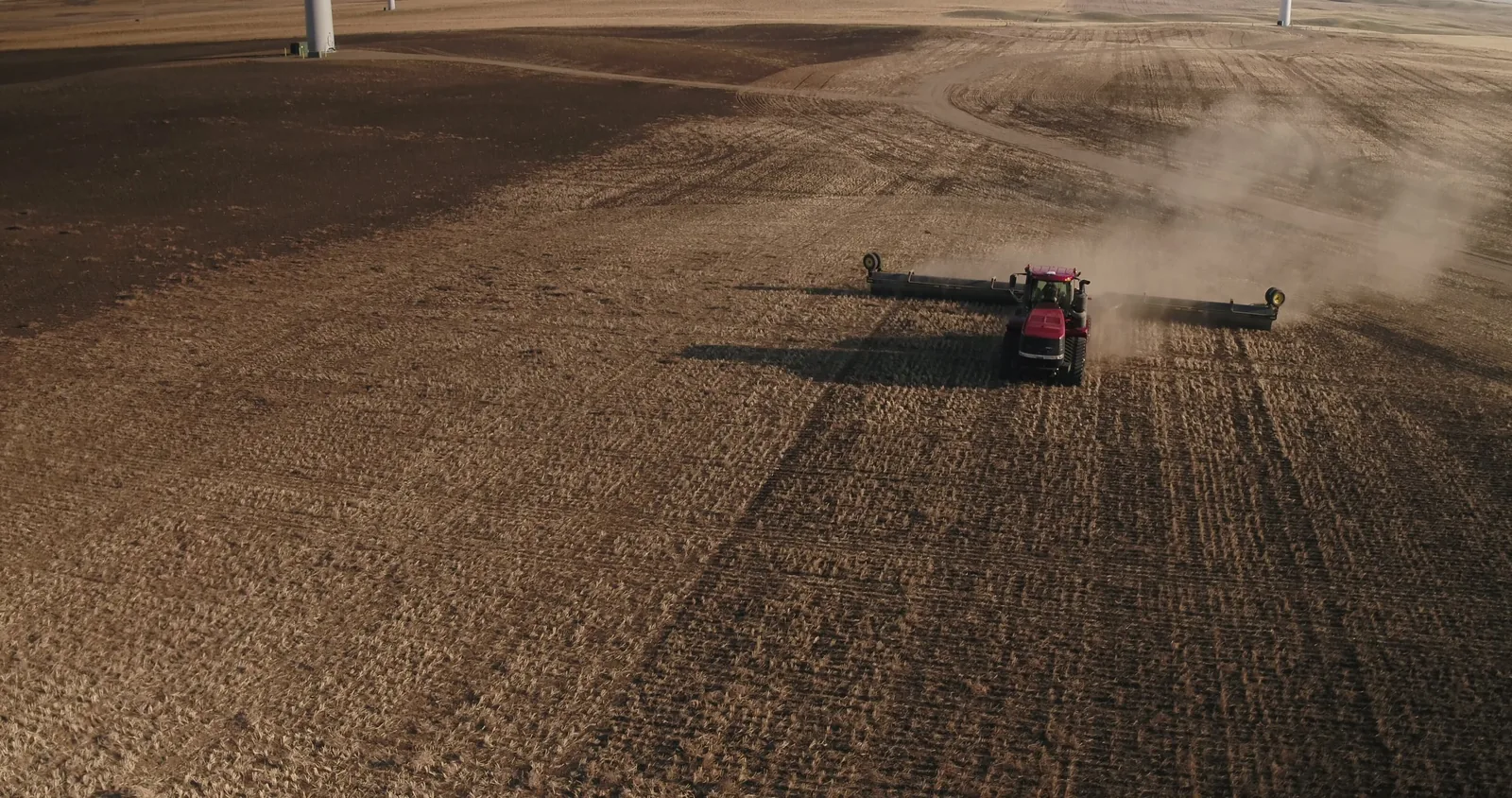
Most producers run a high speed tillage pass in the fall, right after combining, while the soil still has some moisture and the residue is dry enough to cut cleanly. The goal is to chop and level the mat, not to work deep. Blade depth runs from 1 to 6 inches, so operators can set just enough penetration to nick the soil surface and anchor residue so it breaks down over winter. In drier Brown soil zones, producers sometimes skip the fall pass entirely and run the tool in early spring before seeding, prioritizing moisture conservation over residue sizing. Either way, the fast ground speed is the key: it keeps the blades aggressive without dragging soil or creating excessive compaction. Some operators finish with a tine harrow pass to spread residue more evenly and leave the surface ready for the drill. Good seedbed preparation the following spring depends on how evenly that residue was managed the season before. For a closer look at timing and blade selection, the guide on autumn soil conditioning with farm discs and speed blades covers the decisions producers face in the field.
Equipment that fits
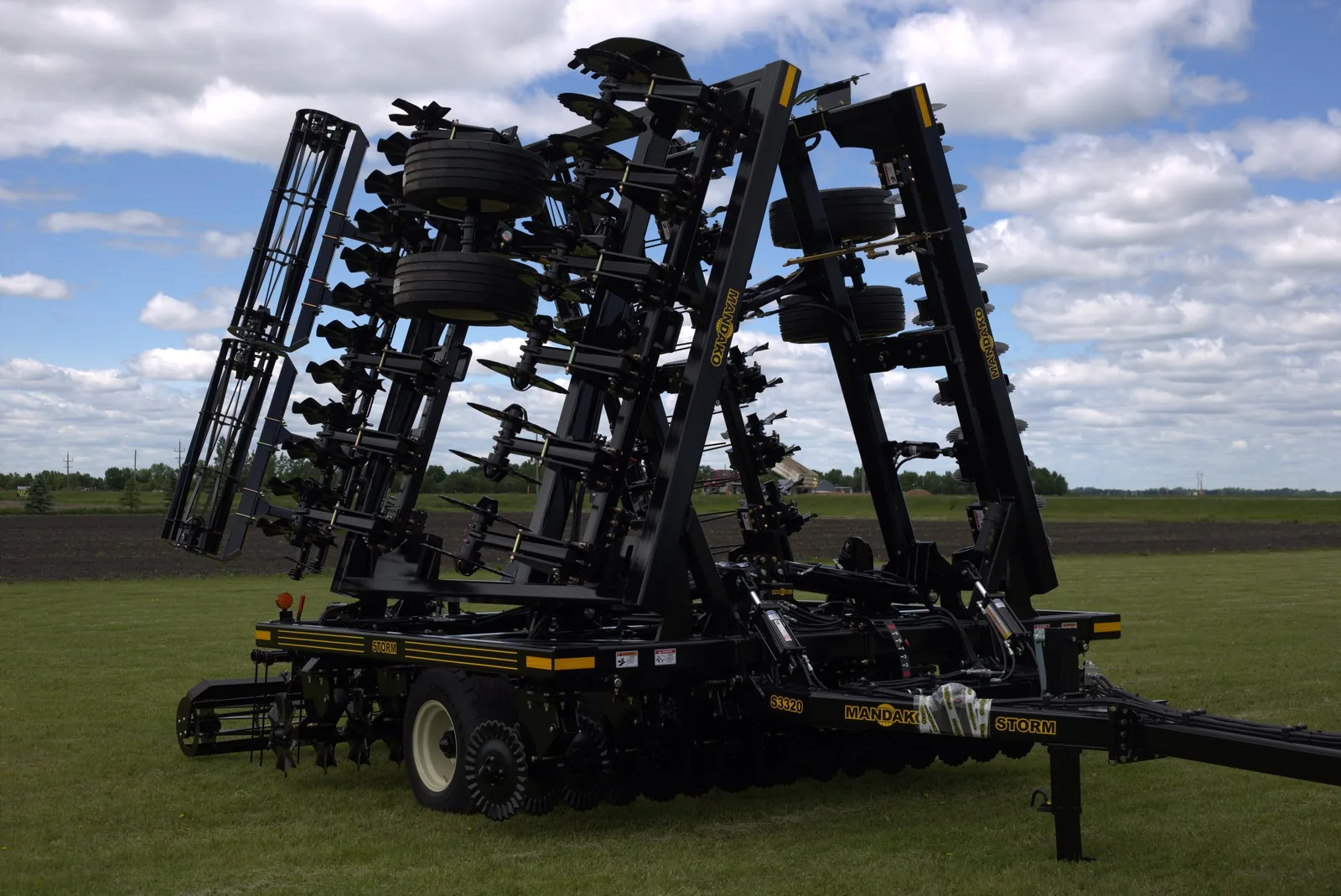
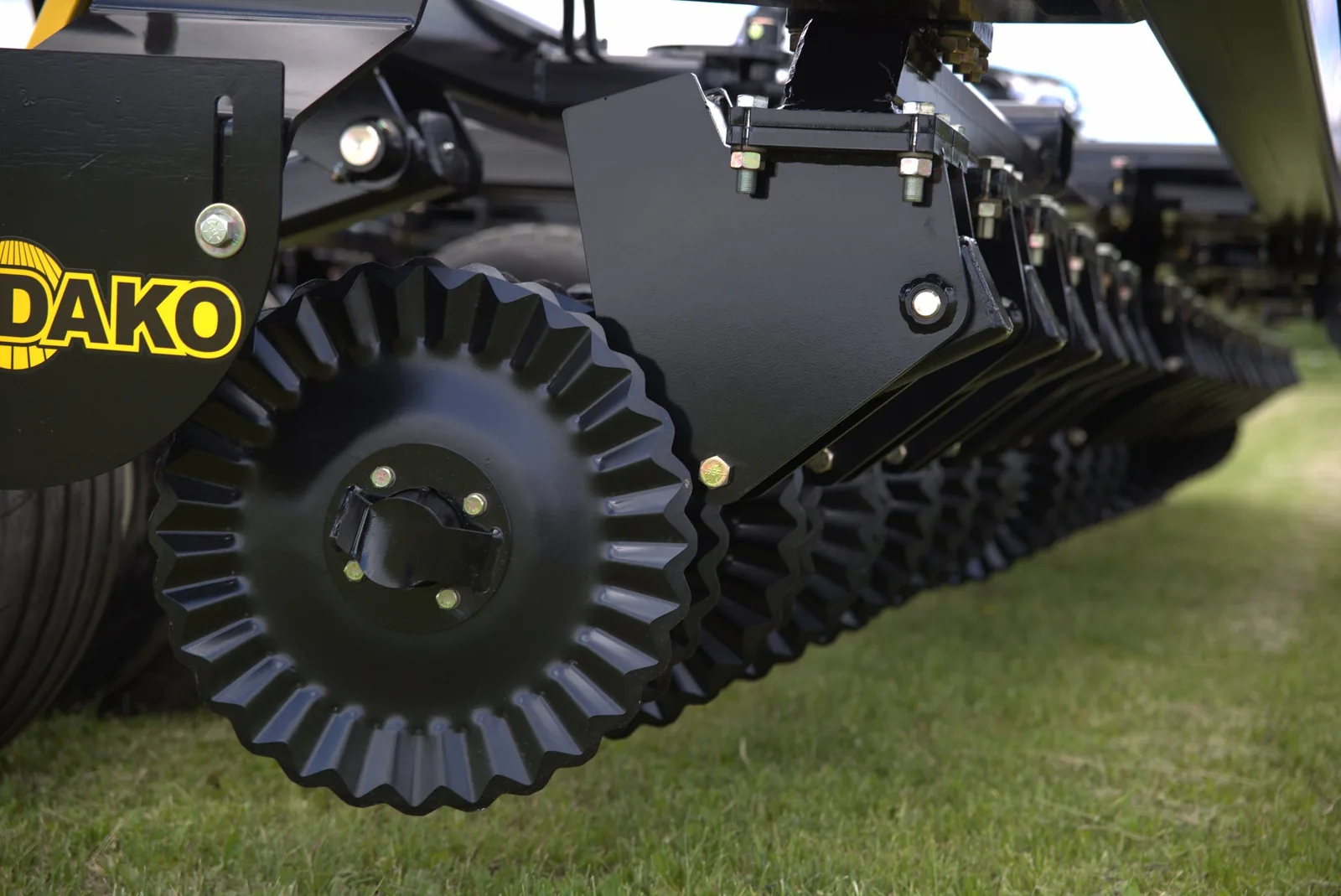
The Mandako STORM is built for this kind of work, a vertical tillage tool available in five widths from 13 to 40 feet, for tractors from 195 hp up. It runs 20-inch coulter blades on 10-inch spacing, with blade angle adjustable hydraulically on the go. Hydraulic rear baskets firm the seedbed and break clods. A tine harrow attachment spreads residue evenly behind the coulters, giving producers a finished surface without an extra pass.