Dealers
  Sales portal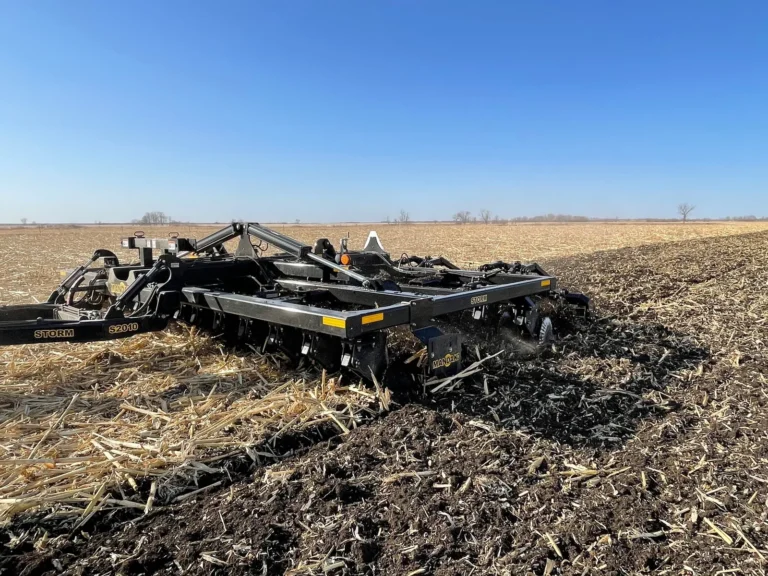
Getting Corn Residue Right Before the Snow Falls
The combine has rolled through, the grain cart is done its last run, and you're looking back at a field…
Read More →
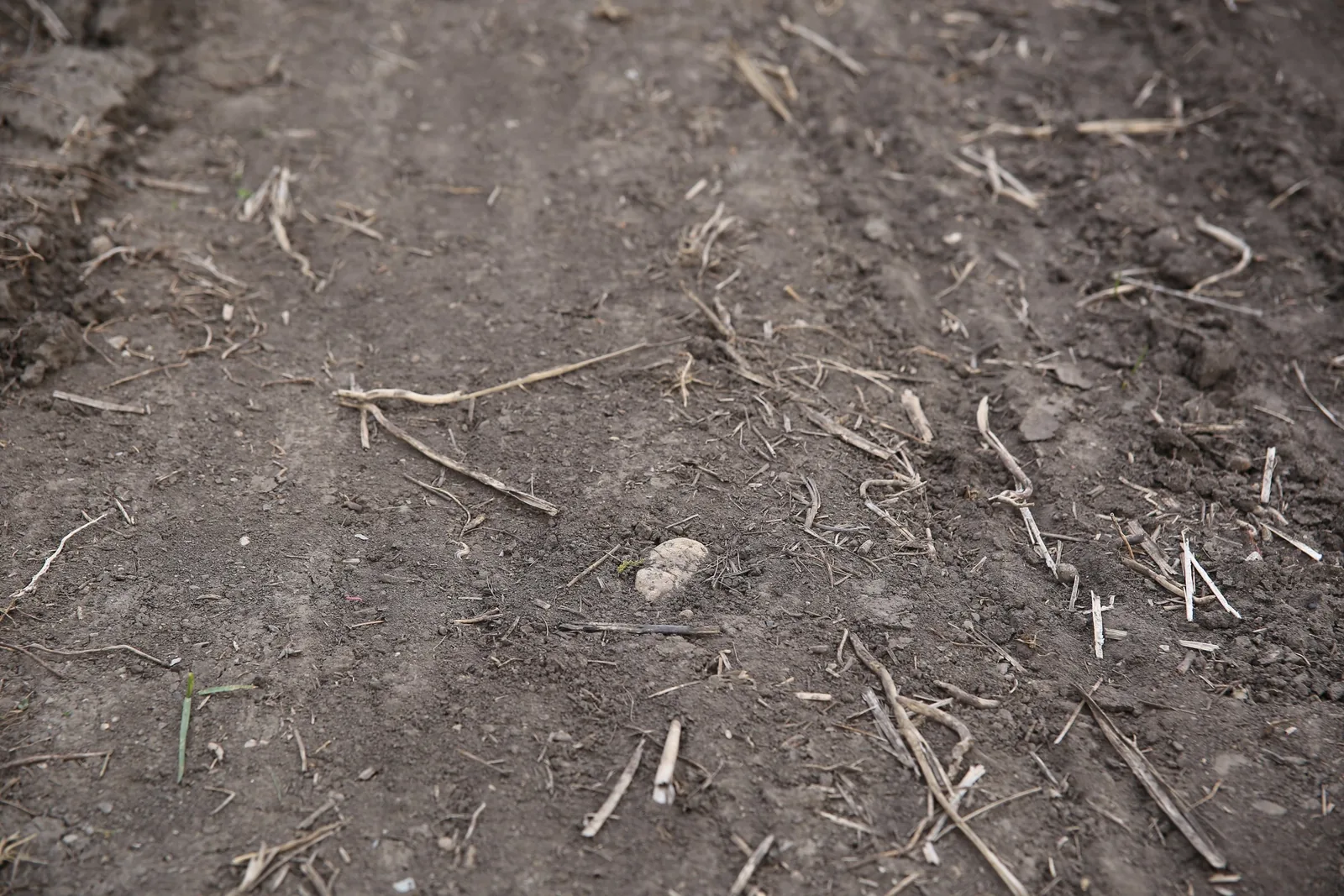
The combine is parked, the bins are full, and yields came in better than most growers expected after a wet, complicated season. Good news on the crop side. But walk those fields now and you’ll see the full story: wheel ruts, compacted headlands, heavy crop residue scattered unevenly, and soil that never had a chance to dry and firm up before harvest traffic hit it hard.
What you do in the next few weeks sets the table for 2026.
When soils are saturated at harvest, every axle load does more damage than it would in a dry year. Soil compaction forms faster and runs deeper. Air spaces close off. Water movement slows. Roots in next year’s crop will hit resistance earlier in the season, right when they need to be pushing down to chase moisture.
Heavy residue compounds the problem. Thick, wet canola straw mats down and stays wet underneath. It slows soil warming in spring, creates uneven seedbed conditions, and can harbor disease inoculum that carries over to next year’s crop.
Canola straw is bulky and slow to break down on its own. If your combine spread it well, you’re ahead. If it came off in windrows or chunks, you have work to do before the ground locks up.
Vertical tillage is one of the most effective tools for sizing and distributing heavy residue without burying it or inverting the soil profile. The goal is to cut the straw into shorter pieces, mix it shallowly into the top few inches, and let soil contact do its work through freeze-thaw cycles over winter. A vertical tillage pass also helps level ruts left by harvest equipment, which matters for spring fieldwork and seeding accuracy.
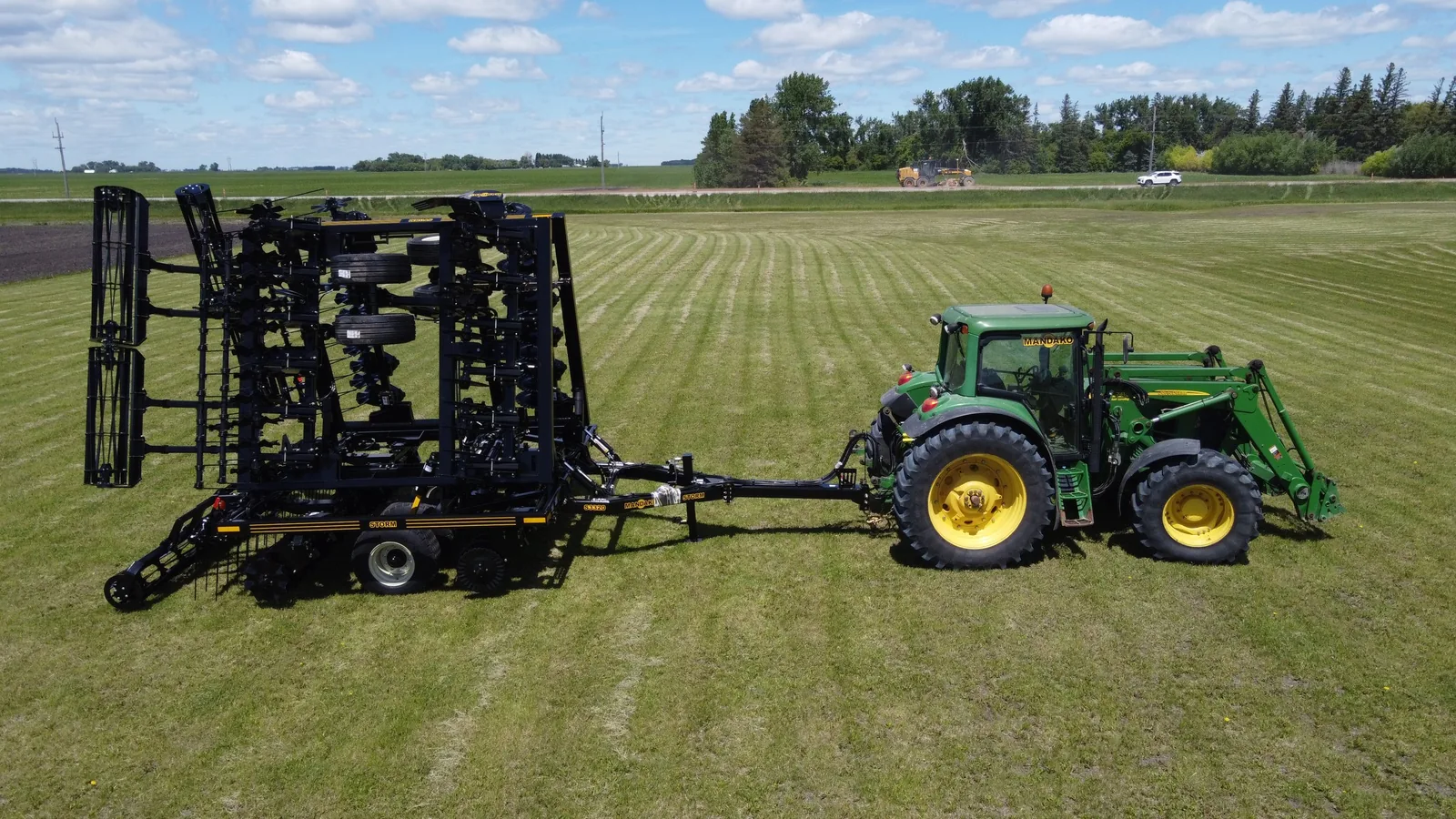
The Mandako STORM is built for exactly this kind of post-harvest work. It sizes and distributes heavy residue while keeping tillage shallow and soil disturbance minimal. Any well-set vertical tillage tool can handle the job. The key is getting the residue cut and spread before winter, not just pushing it around.
Compaction from a wet harvest doesn’t fix itself over winter. Freeze-thaw action will help in the top few inches, but any compaction layer below that, especially from fully loaded grain carts running on wet ground, tends to stay put until something mechanical breaks it up.
Assess your fields this fall. A tile probe or even a stout screwdriver pushed into the soil tells you a lot. If you hit hard resistance at six to ten inches, you have a compaction layer worth fixing. Waiting until spring to discover it means you’re addressing the problem after seeding decisions are already made.
Deep tillage tools, including chisel-style implements, can break up compaction layers and restore soil aeration ahead of next season. Fall is often the best time to run them, when the soil has dried enough to shatter cleanly rather than smear.
Post-harvest is the right time to think about seedbed preparation. That doesn’t mean doing everything now, but it does mean setting the conditions so spring work is faster and more effective.
A land roller run in fall, once residue is managed and the soil has firmed up slightly, can press down surface clods, push small stones back into the ground, and create a smoother, more consolidated profile going into winter. A firmer seedbed loses less moisture to wind erosion over winter and gives you a better starting point for seeding the following spring. Good seed-to-soil contact next May begins with the seedbed you set up this October.
One more thing to do while the 2025 season is still clear in your mind: review your crop rotation plan. A wet year often shifts disease pressure and weed populations. Fields that sat wet all summer may be carrying higher levels of sclerotinia. Canola on short rotation into those fields carries more risk than usual.
Talk to your agronomist now, while field observations are fresh, not in February when details have faded. Record which fields had the worst ruts, the worst residue spread, and the worst compaction. That information is what makes next year’s planning actually useful.
The fields that yield well consistently are managed consistently, through the hard wet years as much as the easy dry ones. Get your residue sized and spread, probe your compaction zones, and run a land roller pass where the seedbed needs firming. Start with your worst fields this week, while the ground is still open.
Meet our team at an upcoming event and get a hands-on look at Mandako's latest tillage solutions.
The combine has rolled through, the grain cart is done its last run, and you're looking back at a field…
Read More →
Ask any producer farming near Shaunavon, Saskatchewan, or across the driest stretches of the Northern Great Plains, and they'll tell…
Read More →
No-till built your soil. Now it may be hiding nutrients from your crop. Direct seeding has done a lot of…
Read More →