Dealers
 Sales portal
November 13, 2026
Read Your Soil Tests Before You Pick a Fall Tillage Tool
The combine is parked, the bins are full, and the soil probe is in the truck. You pulled samples on…
Read More →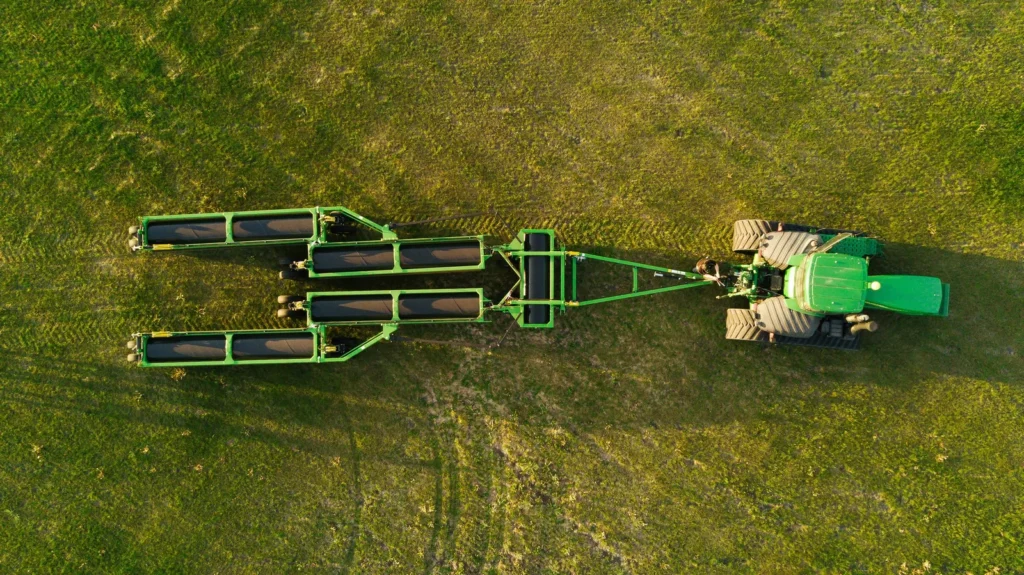
You’ve finished seeding that stony quarter and the clock is already ticking. The surface is rough, stones are sitting proud of the soil, and you’re thinking ahead to a low header cutting soybeans or peas in August. Rolling is the right call. The question is when, and how careful you need to be about crop stage.
On Prairie fields with a lot of surface stones, a land roller does two things at once. It pushes rocks into the soil surface so they’re below cutting height, and it firms an uneven seedbed into a smoother, more consistent plane. Both of those payoffs show up at harvest, when a header running low and fast can’t afford surprises.
Rough ground also costs you at emergence. Loose clods and hollows mean uneven seed-to-soil contact, which translates directly to patchy stands. Rolling firms the seedbed and closes air pockets between seed and soil across the field.
The timing window matters more than most growers realize. You have two practical options: roll immediately after seeding, before emergence, or wait and roll after the crop is up but within a safe growth stage.
Rolling right after seeding is the lowest-risk approach. The crop is still underground, so there’s nothing to snap or bruise. Get on the field as soon as the seed is in and soil conditions allow. Saskatchewan Pulse recommends rolling right after planting to about two days after, when the soil is slightly moist but the surface has dried. Avoid rolling when the ground is saturated; you’ll compact more than you level, and that kind of soil compaction can seal or crust the surface and raises root rot and soil-borne disease risk.
Pre-emergence is the preferred window for most growers on stony fields. You can run confidently and cover ground quickly without worrying about crop stage limits. On dry, sandy or light soils, Saskatchewan Pulse and NDSU also note that post-emergence rolling is worth considering over pre-emergence, because a freshly rolled, smooth surface is more exposed to wind erosion.
If you missed the pre-emergence window, you can still roll, but crop stage becomes your hard limit.
For soybeans, the safe post-emergence window depends on which guidance you follow. Manitoba Pulse puts the upper limit at V1, the first trifoliate stage, while SaskPulse, NDSU and SDSU support rolling up to V3. Roll too late past your chosen limit and you risk snapping stems or burying growing points. For field peas, roll from pre-emergence up to about the fifth node; peas respond best before emergence. For lentils, the safe window runs from pre-emergence up to the five to seven node stage. Beyond the stage limits for any of these crops, a heavy roller will do more damage than a rough surface ever would.
Post-emergence rolling should be done in the afternoon of a warm day, around 25°C or warmer, when plants are limp and pliable. In the morning, plants are turgid and stems snap much more easily. Before committing to a full field pass, roll a small test strip and check it: if fewer than about 10% of plants show damage, continue; if damage is higher, wait for a hotter afternoon.
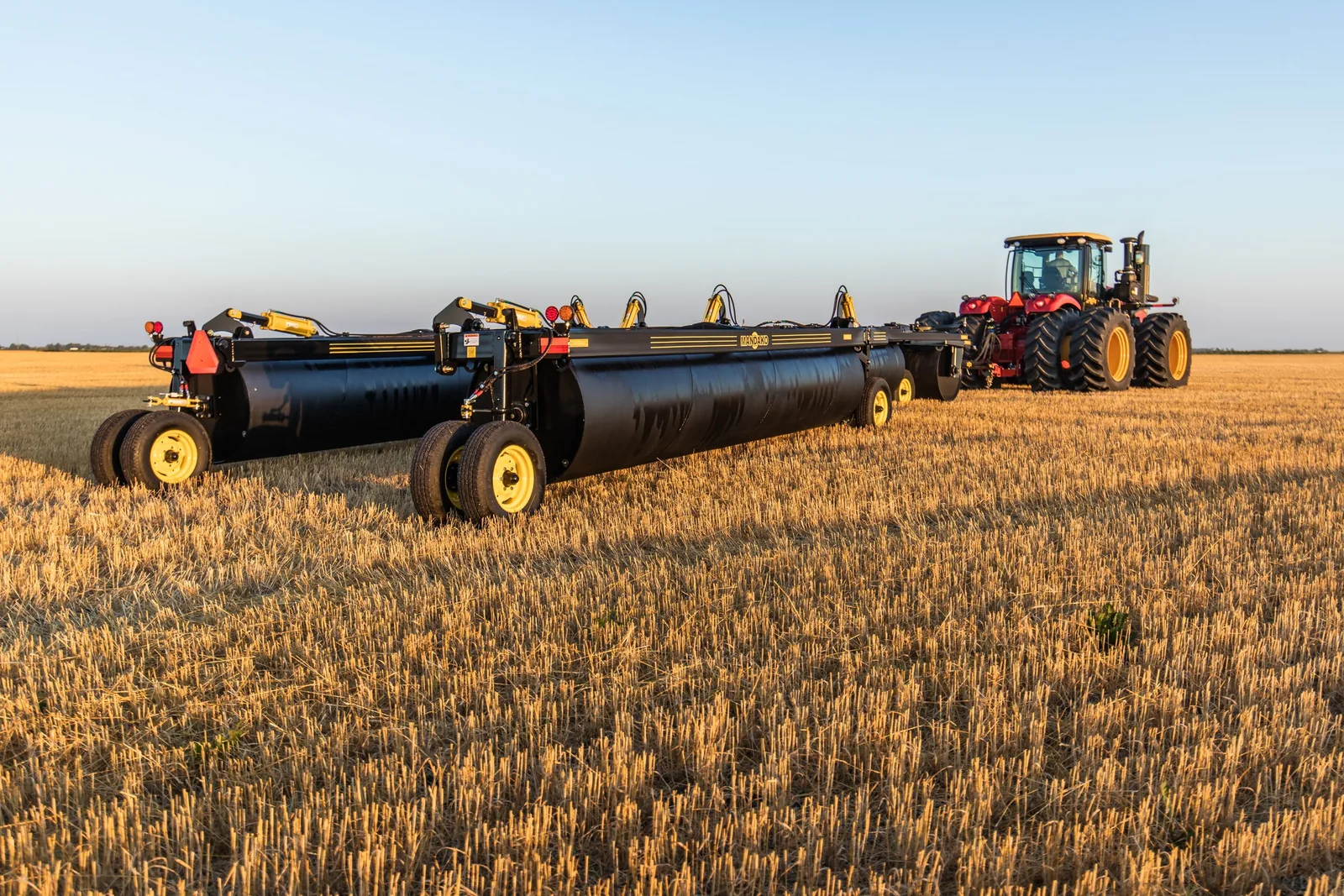
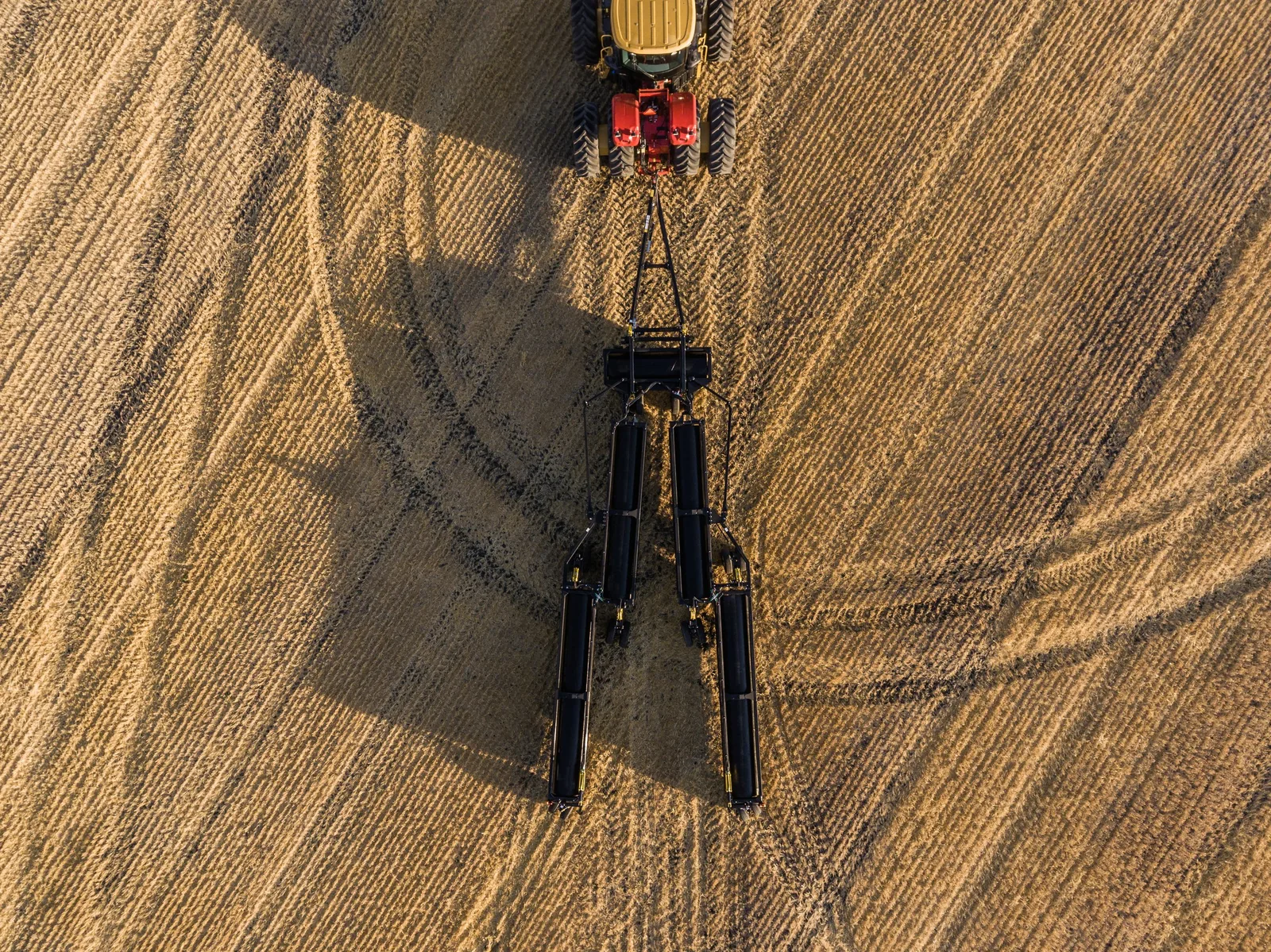
A land roller sized to match your field conditions and tractor will do the work efficiently. On wide Prairie quarters, a larger roller lets you cover more acres per hour without the compaction footprint of extra passes. The Mandako 5-Plex Landroller is built for this kind of work, available in six widths from 62 to 85 feet and carrying 487 to 556 lb per foot of width, with drums that can be filled with water when you need more weight on hard ground. Any well-built roller with adequate weight capacity will firm the surface and push stones down; the key is matching roller weight to your soil type and moisture conditions.
Keep in mind that enough weight to anchor stones is the goal. Heavy pressure is not needed for small stones, and running an unballasted or lightly ballasted drum reduces compaction risk. On heavier clay ground, avoid rolling when moisture content is high.

A smooth, level surface pays dividends months later. A soybean, pea or lentil header running close to the ground needs consistent cutting height from one end of the field to the other. Rocks that catch the cutter bar slow you down at best and break equipment at worst. With stones pressed below header height and the surface leveled, you can run the header lower, pick up lodged plants more reliably and move through the field faster.
Plan your rolling pass as part of the seeding operation itself. If you know a quarter is stony, schedule the roller for the day the seeder comes off, before anything has a chance to emerge.
Meet our team at an upcoming event and get a hands-on look at Mandako's latest tillage solutions.
The combine is parked, the bins are full, and the soil probe is in the truck. You pulled samples on…
Read More →
The combine is parked and the bins are full. Now you're standing at the field edge in November, looking at…
Read More →
You finish combining a wet harvest and the tire tracks across the headlands tell part of the story. But wet…
Read More →