Dealers
  Sales portal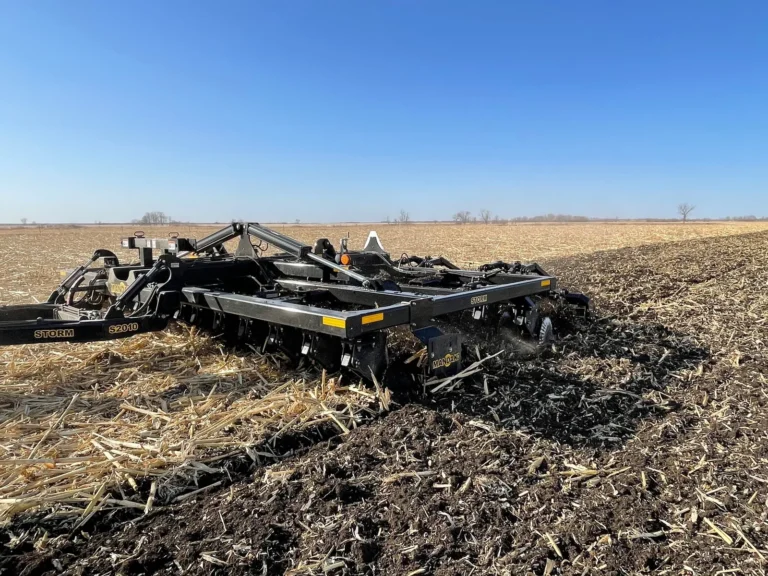
Getting Corn Residue Right Before the Snow Falls
The combine has rolled through, the grain cart is done its last run, and you're looking back at a field…
Read More →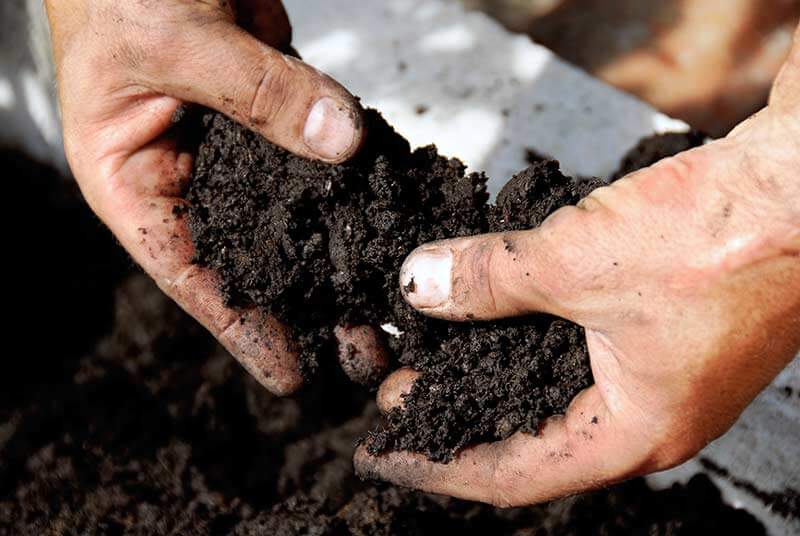
Nutrient stratification is the buildup of nutrients, organic matter, and biological activity in a narrow band near the soil surface, while deeper layers remain relatively depleted. It develops gradually under continuous no-till and direct-seeding systems, and becomes a yield problem when dry conditions push roots below the zone where fertility is concentrated.
No-till farming has been good for prairie soils. Less erosion, better moisture retention, lower fuel bills. Most farmers on the Prairies would not go back. But every system has trade-offs, and one of them is quietly building in your top few inches of soil right now.
Immobile nutrients, phosphorus, sulphur, zinc, don’t travel far once they’re applied. Under continuous direct seeding, they accumulate in the shallow zone where most of your fertilizer and decomposing residue ends up. Year after year, that zone gets richer while the profile below it stays relatively thin.
In a wet year, that’s fine. Roots stay shallow, nutrients are right there, and the system works. In a dry year, it isn’t.
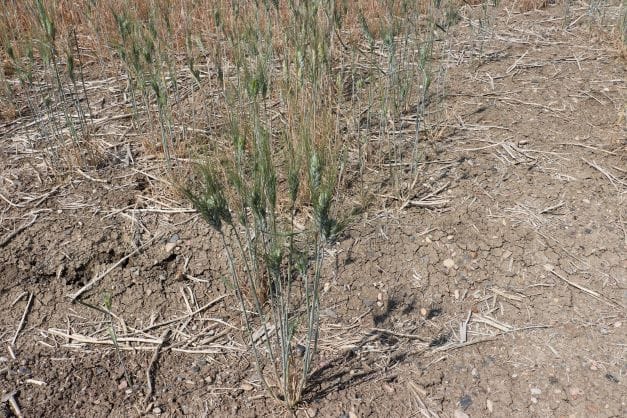
When the top two or three inches dry out hard, roots follow moisture deeper into the profile. The problem is that the nutrients they need most are sitting up in the zone the roots just abandoned. The crop is not starving because the fertility isn’t there. It’s starving because the roots can’t get to it.
Phosphorus is the main offender. It barely moves in soil. If you have been surface-banding or broadcasting P for a decade, and your tillage hasn’t touched that residue layer, the P is concentrated right where dry conditions make it least accessible. Sulphur behaves similarly in many prairie soils.
The symptom shows up as mid-season nutrient deficiency even when your soil tests looked adequate going into the year. That’s a frustrating place to be.
Nutrient stratification is not new. Agronomists have been watching it develop on direct-seeded fields for a long time. What’s changed is that the stratification is now more pronounced on fields that have been in no-till for fifteen or twenty years, and dry summers have become common enough that the problem surfaces regularly instead of occasionally.
If you pull a soil profile on a long-term no-till field and look at it, the layering is often visible. Organic matter and nutrients pile up in the top few centimetres. Below that, things drop off fast. That concentration tells you the fertility is there in the bank. The question is whether the crop can make a withdrawal when it needs one.
The most direct fix is getting phosphorus and sulphur below the dry zone at seeding. Side-banding or mid-row banding puts nutrients where roots are more likely to find them in a stress year. This doesn’t solve historical stratification, but it reduces how much you add to the shallow zone every season.
This is where the conversation gets careful, because nobody wants to undo the soil health gains they’ve built. But occasional, targeted tillage is worth considering on fields where stratification has become severe. Vertical tillage is one option that can size and redistribute surface residue and lightly incorporate nutrients without full inversion of the profile. It’s a lighter touch than conventional tillage, and it doesn’t destroy the soil structure you’ve spent years building.
A vertical-tillage tool moves through the soil at a shallow angle, cutting residue and creating some soil disturbance without burying everything. Done selectively on the worst fields, it can help blend surface-concentrated nutrients into a slightly deeper zone where roots have a better shot at reaching them under stress conditions. Any well-built vertical tillage tool can do this job. The Mandako STORM is one option designed for this kind of light, high-speed residue management on prairie acres.
Heavy crop residue sitting on the surface slows the breakdown of organic matter and can tie up nutrients in the mat before they reach the soil. Managing residue spread evenly at harvest, and sizing it properly, speeds decomposition and reduces the concentration effect. That’s basic, but it matters more on a no-till field than on a tilled one.
Standard soil sampling at zero to six inches will overstate your fertility if stratification is happening. Pull samples in two layers, zero to three inches and three to six inches at minimum, so you can actually see where the nutrients are sitting and how sharp the gradient is. That information changes how you interpret your fertility program.
Direct seeding has earned its place on prairie farms. The goal isn’t to abandon it. The goal is to manage the stratification that comes with it so a dry July doesn’t cost you yield that was preventable. Know where your nutrients actually are, put new applications where roots can reach them, and use mechanical tools on the fields that need a correction.
Meet our team at an upcoming event and get a hands-on look at Mandako's latest tillage solutions.
The combine has rolled through, the grain cart is done its last run, and you're looking back at a field…
Read More →
The combine is parked, the bins are full, and yields came in better than most growers expected after a wet,…
Read More →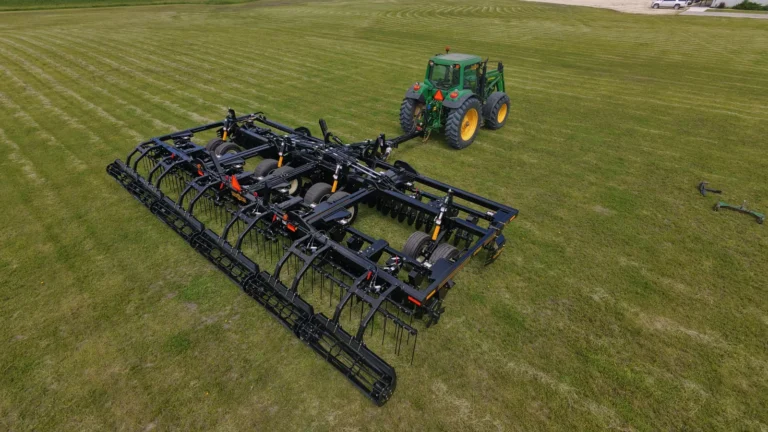
Ask any producer farming near Shaunavon, Saskatchewan, or across the driest stretches of the Northern Great Plains, and they'll tell…
Read More →