Dealers
  Sales portal
What a Wet Canola Harvest Means for Next Spring
The combine is parked, the bins are full, and yields came in better than most growers expected after a wet,…
Read More →
The combine has rolled through, the grain cart is done its last run, and you’re looking back at a field full of corn stubble. Stalks standing two feet tall, chopped material in thick rows, husks and cobs scattered across the surface. What you do with that mess in the next few weeks will shape how your planter performs next May.
Corn residue is one of the more stubborn challenges in the rotation. It breaks down slowly, it can harbour disease and insects, and if it’s not managed well, it causes real headaches at planting. Getting it right before freeze-up is worth your time.
Wheat straw and canola stems break down fairly readily. Corn stalks are a different story. The lignin content is high, the stalks are thick, and they shed water rather than absorb it. A pile of corn residue can sit mostly intact through the following growing season if conditions aren’t right for decomposition.
University extension research on corn residue management points to the same conclusion experienced farmers have reached: you need to physically break down the material and get it in contact with the soil so biology and soil microbes can do their work.
Residue sitting on top of cold, dry soil does not decompose. Residue that has been sized, spread evenly, and pressed into moisture has a real chance of breaking down before you need to plant through it.
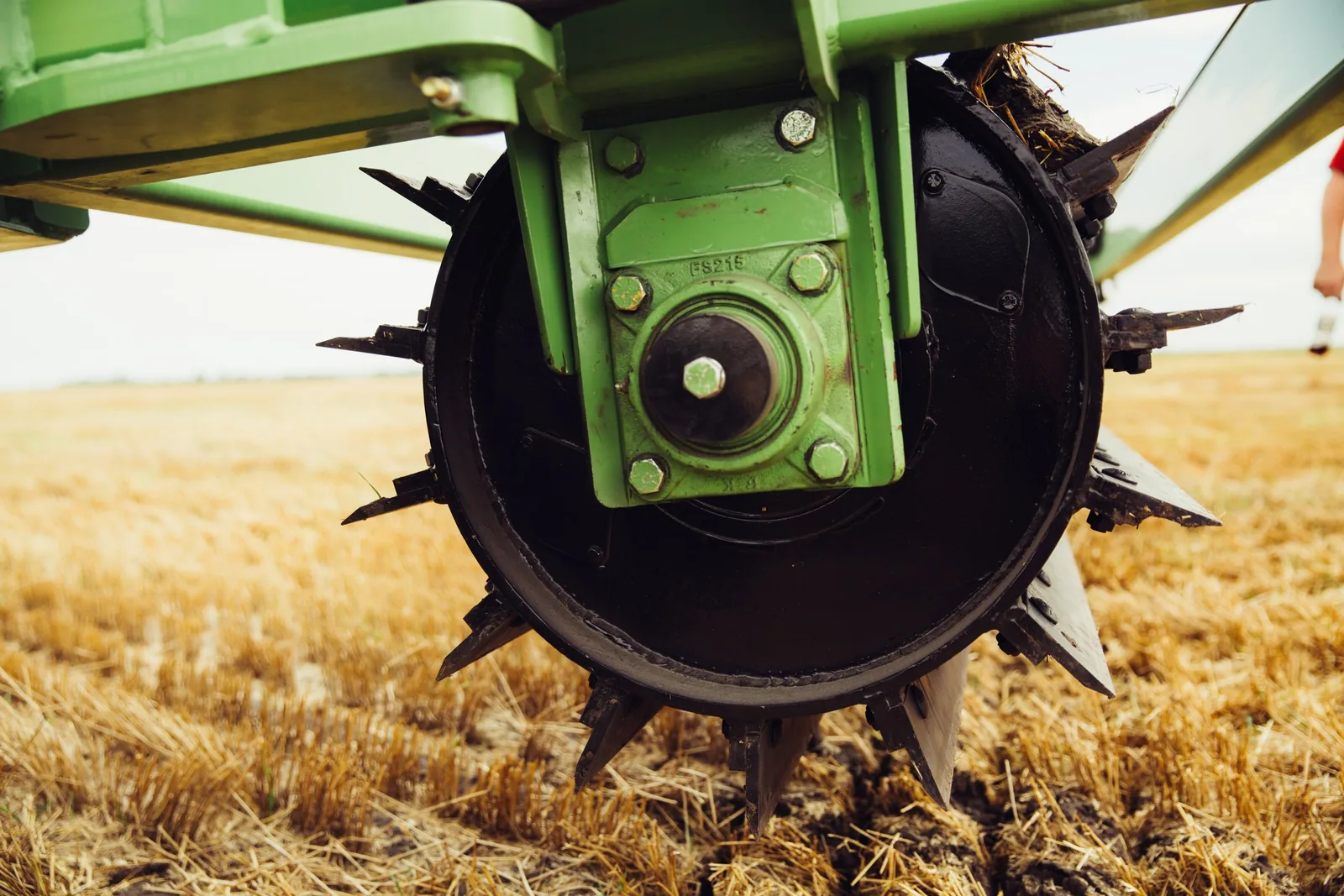
The best residue management pass starts at the chopper and the spreader. A well-adjusted combine spreads chaff and stalk pieces evenly across the full header width and chops them short. Long, uneven windrows of material are harder to work with every time you make another pass. If your spread pattern is off, fix it before you get into your heaviest corn fields.
Short chop length matters. The more surface area exposed, the faster breakdown happens.
Running a dedicated stalk-sizing tool after harvest is one of the most effective steps a corn grower can take. Crushing or cracking the stalks speeds decomposition and flattens the residue so it is easier to plant through. It also reduces the habitat those intact hollow stalks provide for corn rootworm and other insects to overwinter.
A stubble cruncher type of tool works by rolling and cracking the stalks rather than just flattening them. The cracked surface lets moisture and soil microbes in. The Mandako Stubble Cruncher is built for this kind of post-harvest work on corn and sunflower stubble, sizing material so it can start breaking down over winter rather than sitting intact until June.
Whether you till or not, you need a plan. No-till growers need residue that is sized and spread evenly so the planter can cut through it cleanly in spring. Growers who run vertical tillage or light incorporation want the residue mixed shallowly into the top few inches, where soil contact and warmth will get decomposition moving.
Neither approach works well with tall, unmanaged stalks left standing in rows.
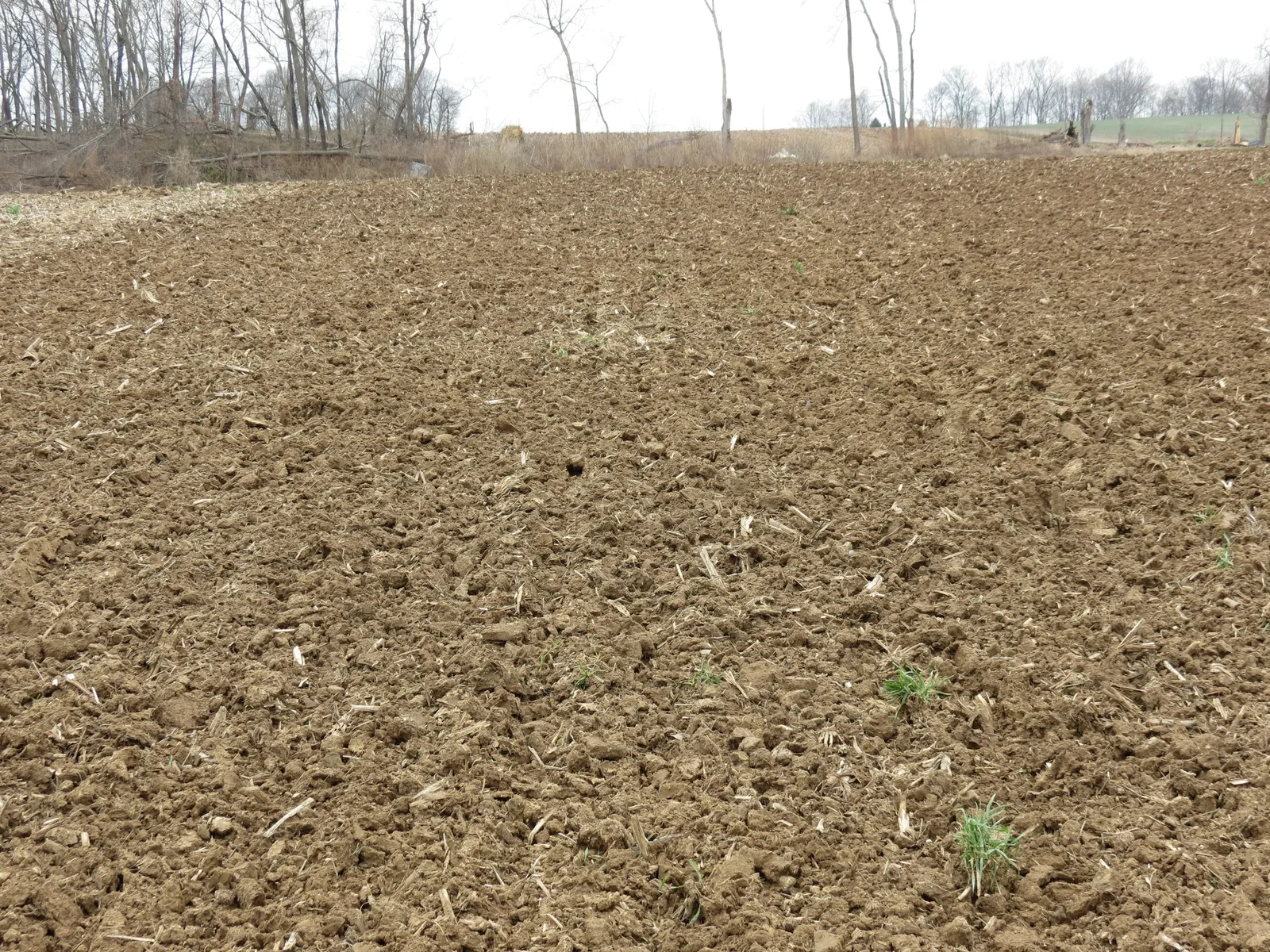
A field that goes into winter with residue sized and evenly distributed comes out of spring in a completely different condition than one that was left. The surface is more uniform, the seedbed preparation pass is easier, and the planter row units are not fighting through thick mats of material. Seed-to-soil contact improves. Germination rates are more consistent across the field.
There is also a disease management angle. Gray leaf spot and northern corn leaf blight both overwinter in corn residue. Reducing the amount of intact residue sitting on the surface going into the next corn crop can help lower initial inoculum pressure the following season.
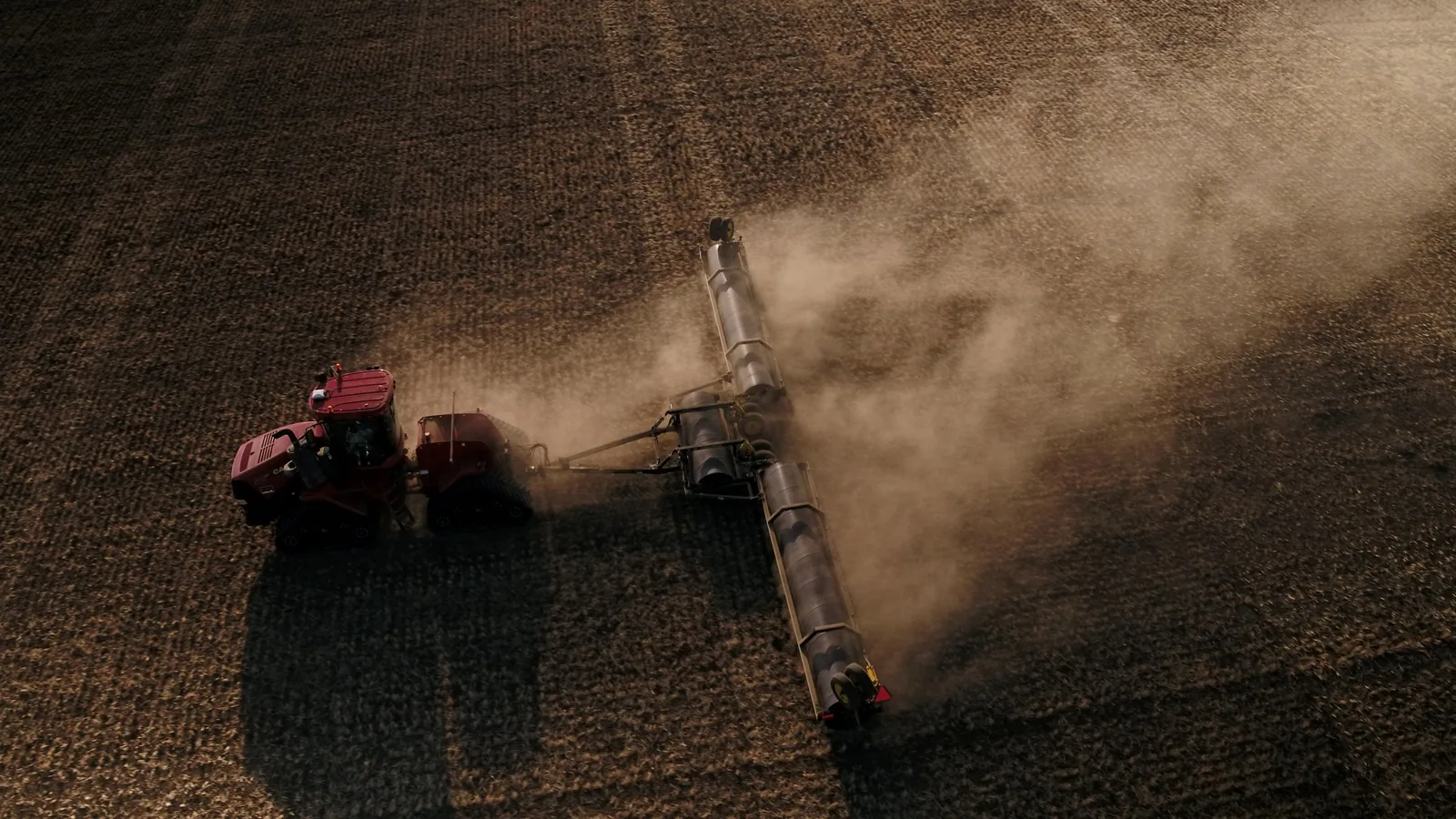
You do not need a separate trip across the field if you plan ahead. Many growers run a stalk sizing tool right behind the combine, or as a dedicated pass in the days immediately after harvest while the ground is still fit. Once the soil gets wet and soft, you risk compaction from additional axle passes. Wet residue also clogs tools and makes an uneven job.
Get out while conditions are dry and the soil is firm. A clean pass now means one less problem to solve when you are trying to get seeding done in a narrow window next spring. Size the stalks, spread the material evenly, and let the freeze-thaw cycle and soil microbes finish the job over winter.
Meet our team at an upcoming event and get a hands-on look at Mandako's latest tillage solutions.
The combine is parked, the bins are full, and yields came in better than most growers expected after a wet,…
Read More →
Ask any producer farming near Shaunavon, Saskatchewan, or across the driest stretches of the Northern Great Plains, and they'll tell…
Read More →
No-till built your soil. Now it may be hiding nutrients from your crop. Direct seeding has done a lot of…
Read More →