Dealers
  Sales portal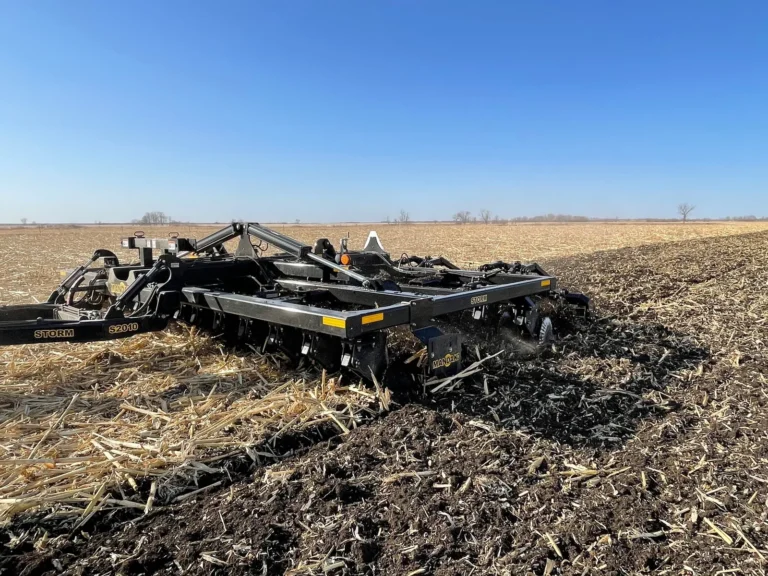
Getting Corn Residue Right Before the Snow Falls
The combine has rolled through, the grain cart is done its last run, and you're looking back at a field…
Read More →
Direct seeding has done a lot of good on prairie farms. Less erosion, better moisture retention, stronger soil structure. Most growers who switched have no plans to go back. But after a decade or two of no-till, a quiet problem has been building in the soil profile: nutrients are piling up near the surface, and in a dry summer, that’s exactly where the roots aren’t.
Phosphorus, sulfur, and some micronutrients move slowly through soil, or barely at all. Under no-till farming, fertilizer applied at the surface tends to stay near the surface. Organic matter breaking down at the top of the profile adds to the concentration there. Season after season, the nutrient-rich zone gets shallower.
That’s fine when there’s moisture in the top few inches and roots are actively feeding there. The problem shows up during dry stretches. When the surface dries out, roots chase moisture deeper. Suddenly the crop is pulling water from six or eight inches down, but the phosphorus is sitting up at two inches. The nutrients are there. The roots just can’t reach them.
Canola is particularly vulnerable. It has high phosphorus demand early in the season, and a shallow, dry seedbed in July can seriously limit uptake at the worst possible time.
The longer a field has been in continuous direct seeding, the more pronounced the stratification tends to be. Fields that were in conventional tillage for years and then transitioned to no-till may have had some initial mixing, but that effect fades. Fields that have never seen a tillage pass are often the most stratified.
Soil health benefits from no-till are real and documented. Better moisture retention, improved soil structure, reduced compaction risk from tillage equipment. None of that goes away just because stratification is a problem. The challenge is addressing stratification without undoing what took years to build.
The most direct fix is placing phosphorus where roots will find it regardless of surface conditions. Side-banding or mid-row banding fertilizer at seeding depth gets nutrients into the zone where they’re accessible even when the top of the profile dries out. It’s also the most consistent practice for fields that will stay in no-till long-term.
This is a harder conversation. Full inversion tillage would mix the profile, but it throws away years of soil structure gains and re-sets the erosion risk. That’s too high a cost for most operations.
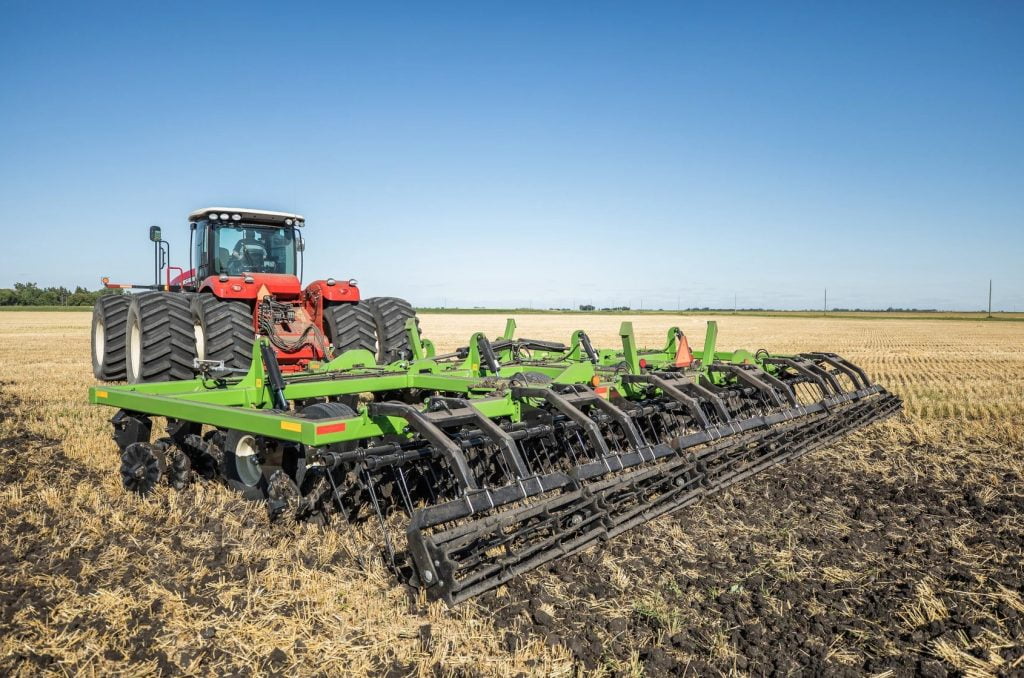
A more targeted approach is using vertical tillage on the most stratified fields. This method works the soil without full inversion. It fractures the top of the profile, sizes residue, and creates some mixing of the nutrient-concentrated surface layer downward, without the wholesale disruption of conventional tillage. The Mandako STORM handles heavy residue, keeps tillage shallow, and is well suited to exactly this kind of selective pass. A single targeted pass on severe fields can reset a profile that has accumulated enough stratification to affect yields.
Standard soil tests pulled at six inches can miss stratification entirely. If your phosphorus readings look fine but the crop is showing deficiency symptoms in a dry year, try pulling separate samples at two inches and at six inches. The difference between those two numbers tells you a lot about how stratified your field actually is.
Deep-rooted cover crops can pull nutrients from lower in the profile and cycle them back toward the surface through residue breakdown, reducing stratification over multiple seasons. This is a slow fix, but it complements your no-till system rather than working against it.
Nutrient stratification is a legitimate trade-off of long-term direct seeding, not a reason to abandon it. The farmers dealing with it most effectively are banding fertilizer deeper, testing smarter, and using selective tillage on the fields where stratification has built up enough to cost them yield. Pull depth-specific soil samples this fall, and let the numbers tell you where to act first.
Meet our team at an upcoming event and get a hands-on look at Mandako's latest tillage solutions.
The combine has rolled through, the grain cart is done its last run, and you're looking back at a field…
Read More →
The combine is parked, the bins are full, and yields came in better than most growers expected after a wet,…
Read More →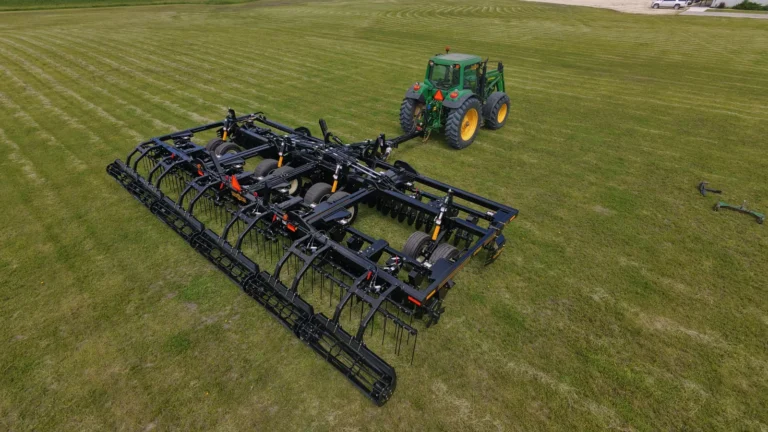
Ask any producer farming near Shaunavon, Saskatchewan, or across the driest stretches of the Northern Great Plains, and they'll tell…
Read More →