Dealers
  Sales portal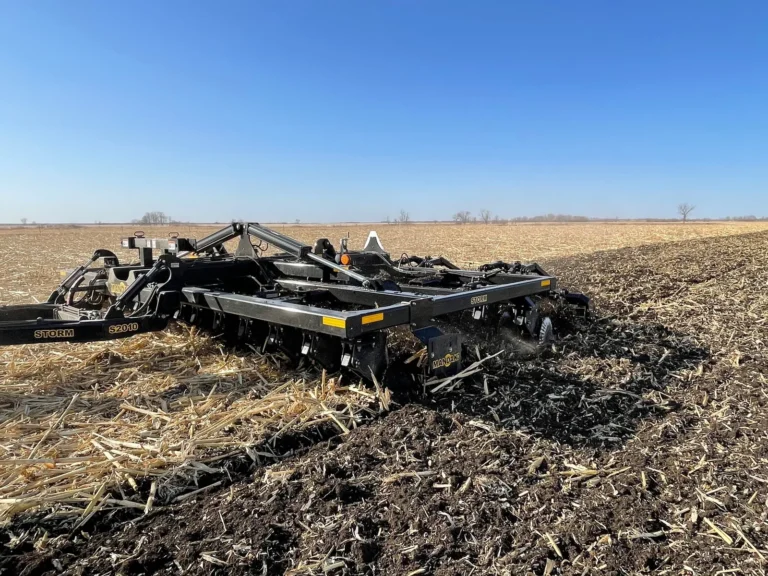
Getting Corn Residue Right Before the Snow Falls
The combine has rolled through, the grain cart is done its last run, and you're looking back at a field…
Read More →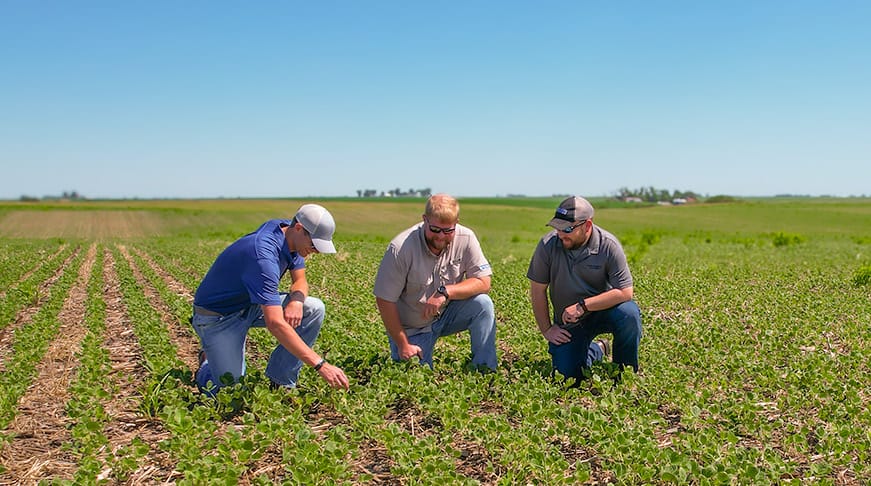
Accelerated cropping systems, including the “three crops in two years” model, are intensive cropping strategies that compress additional crop cycles into a shorter calendar window. In practice, this means seeding a fast-maturing crop in late summer immediately after an early-harvested first crop, fitting three harvests into a two-year period rather than the conventional one crop per year.
Researchers at the University of Saskatchewan are looking at something that challenges conventional Prairie farming logic: three crops in two years. It’s not simple, and it’s not for every farm. But for operations with the right soils, equipment, and management, it opens up a real conversation about intensification without abandoning sound agronomy.
The concept forces a hard look at what happens between harvest and the next seeding. When you’re working on a compressed timeline, there’s no room for sloppy residue management or a rough seedbed. The window between one crop coming off and the next going in can be measured in days, not weeks.
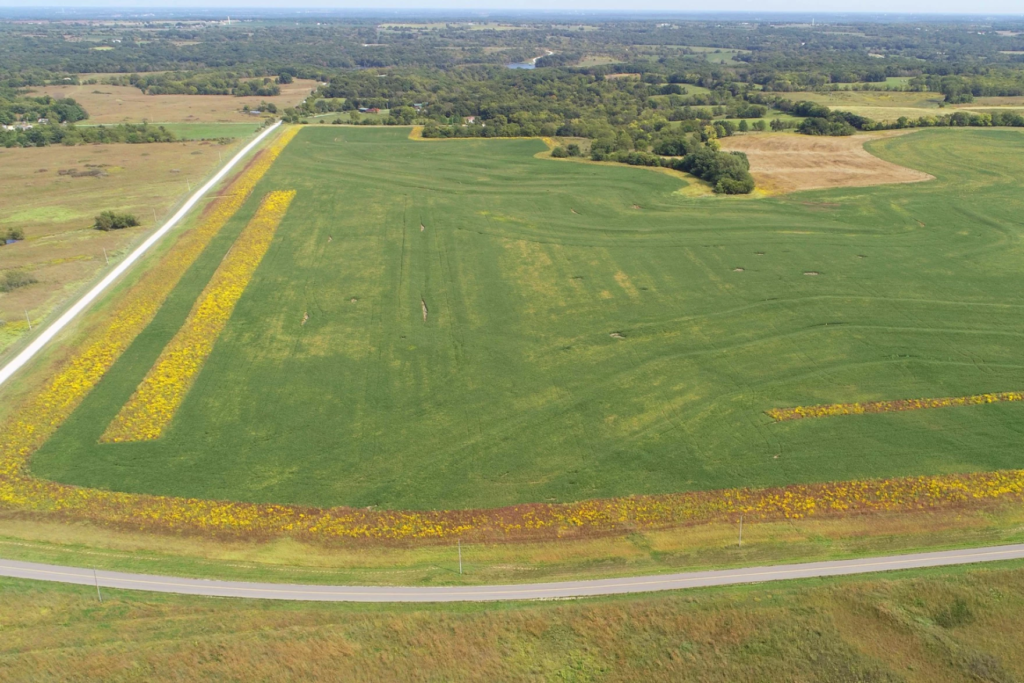
Prairie field with harvested stubble and emerging crop rows illustrating accelerated cropping cycles
Crop residues left standing or bunched after harvest can choke germination in a follow-up crop seeded just weeks later. Heavy swaths, uneven chaff distribution, and tall standing stubble all create cold, wet pockets that slow emergence or cause hairpinning with direct seeding equipment.
Managing that residue quickly and evenly is not optional in an accelerated system. You need it sized, spread, and worked into the soil surface fast enough that you can still get a seeder across the field before the season closes on you.
Vertical tillage is well suited to this situation. It moves fast, sizes residue without inverting the soil profile, and leaves the field in a condition where a drill can follow. It’s not deep tillage. It’s a targeted pass that deals with surface trash while keeping soil structure largely intact. That matters when you’re planting again almost immediately.
Compressed crop cycles put pressure on seedbed preparation. The incoming crop needs seed-to-soil contact, consistent moisture at the seed zone, and a surface that won’t crust or bridge before emergence. A cloddy, residue-choked seedbed costs you germination rate points you can’t afford when you’re already pushing the calendar.
A land roller used after seeding firms the seedbed, presses down any residue the drill lifted, and improves that critical seed-to-soil contact. On fields with stones, rolling also reduces harvest risk for equipment coming through later in the season. In an accelerated system where equipment is logging more passes per acre per year, that kind of risk management pays off.
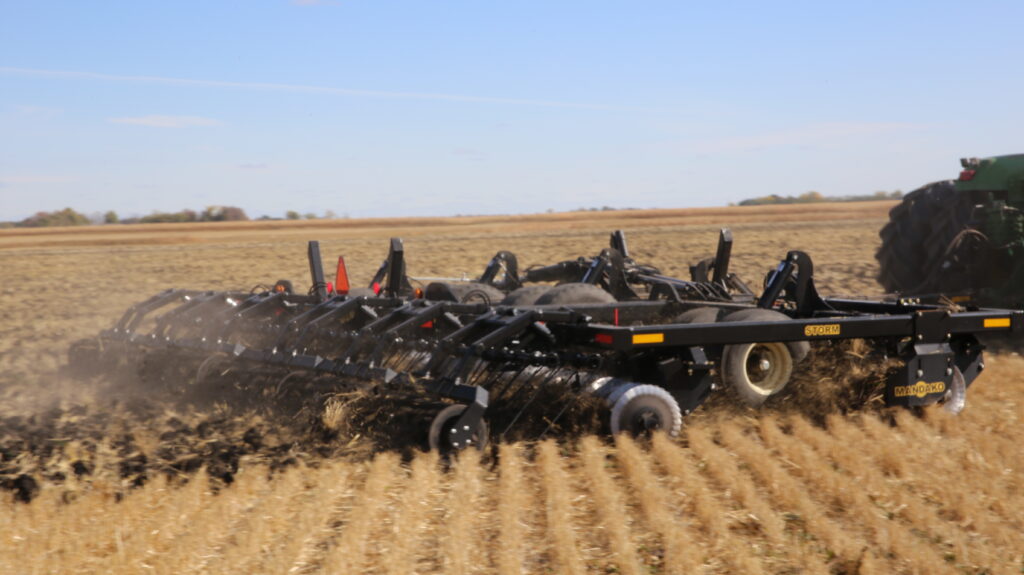
Mandako STORM vertical tillage tool sizing crop residue in a Prairie field preparing for accelerated seeding
Accelerated systems also stress soil health in ways that traditional rotations don’t. More trips across a field in a single season increases the risk of soil compaction. Planning traffic patterns carefully, and considering controlled traffic farming principles, can help keep wheel damage from offsetting the yield gains you’re chasing.
Moisture retention also becomes critical. A crop pulled early to make room for the next one may leave the soil in good shape, or it may leave it dry and loose depending on the season. Reading conditions before you pull the trigger on that second seeding is the difference between a good idea and an expensive mistake.
Crop rotation planning gets more complex too. Three crops in two years means thinking carefully about disease carryover, herbicide recropping intervals, and nutrient drawdown. The Saskatchewan research is still working through these questions, and that’s the right approach. This system has real promise, but it has to pencil out agronomically before it pencils out financially.
The University of Saskatchewan work is early-stage, and Prairie farmers are right to wait for more data before restructuring their whole rotation. But the underlying principle is sound: if you can grow more on the same acres without wrecking your soil, it’s worth understanding how.
What’s clear right now is that any operation considering tighter crop cycles needs its equipment and management dialed in. Fast, clean residue work and a reliable seedbed between cycles aren’t just nice to have. In a three-crops-in-two-years system, they’re the whole game.
The Mandako STORM is a vertical tillage tool designed to size residue and firm the soil surface in a single pass, with minimal disturbance to the soil profile below. For operations managing tight planting windows, that kind of efficiency between harvest and seeding is a practical advantage.
Meet our team at an upcoming event and get a hands-on look at Mandako's latest tillage solutions.
The combine has rolled through, the grain cart is done its last run, and you're looking back at a field…
Read More →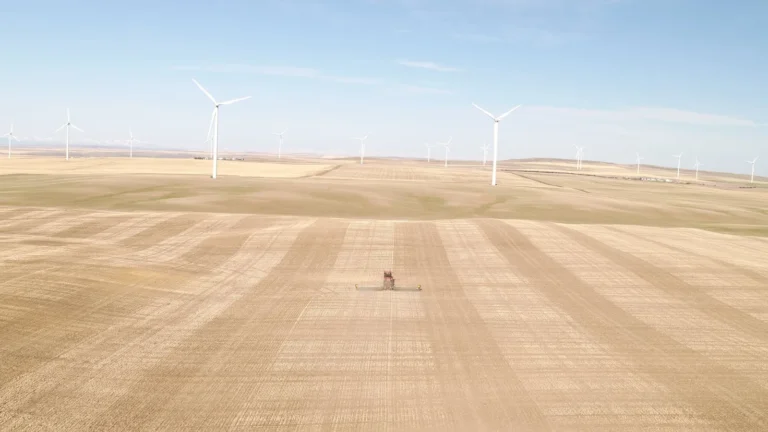
The combine is parked, the bins are full, and yields came in better than most growers expected after a wet,…
Read More →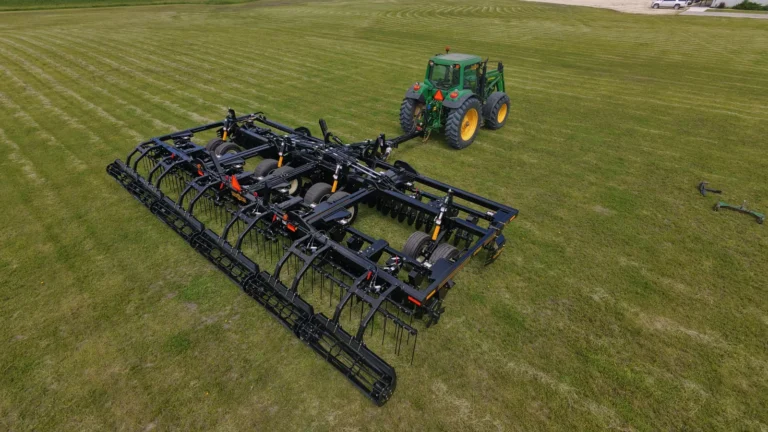
Ask any producer farming near Shaunavon, Saskatchewan, or across the driest stretches of the Northern Great Plains, and they'll tell…
Read More →