Dealers
  Sales portal
 Crop residues are the remains of plants left in fields after the harvest of crops like corn, wheat, soybeans, and cotton. These residues include stalks, stems, leaves, roots, and any other plant material not harvested or used for human consumption. Proper management of crop residues is crucial for maintaining soil health, preventing erosion, and improving water retention.

One of the primary benefits of crop residues is their ability to enhance soil organic matter. As residues decompose, they release nutrients back into the soil, which can improve soil fertility and structure. This process also promotes the activity of beneficial soil organisms such as earthworms and microbes.
Additionally, crop residues serve as a protective cover for the soil. This cover helps reduce the impact of raindrops on the soil surface, preventing soil erosion. It also minimizes water evaporation, thus conserving soil moisture and reducing the need for irrigation. Residues can also suppress weed growth by limiting the amount of sunlight that reaches the soil surface.
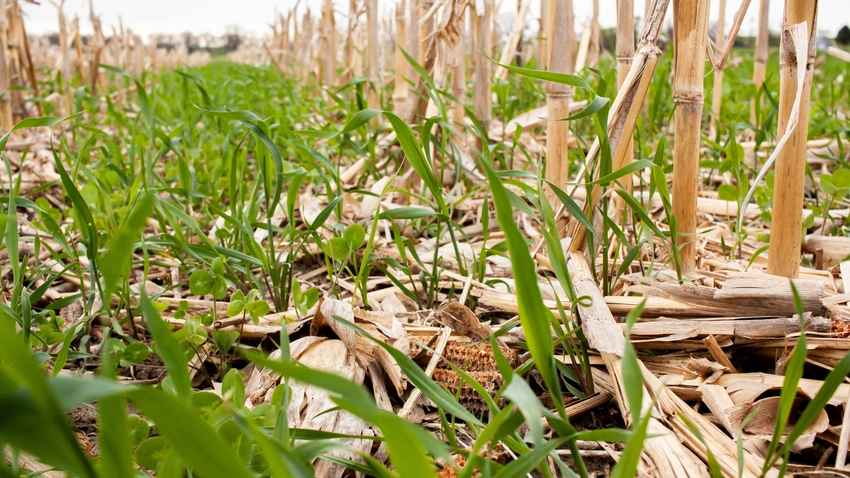
There are several methods for managing crop residues, including no-till farming, mulching, and incorporation into the soil through tillage. No-till farming, in particular, leaves residues on the field’s surface, providing continuous protection and improving soil health over time. Equipment like Mandako’s Vertical Tillage tools can be used to manage and incorporate crop residues effectively, enhancing their benefits.