Dealers
  Sales portal
Technicality
Advantages of Vertical Tillage: How to Choose the Right Equipment
The Benefits of Vertical Tillage: How to Choose the Right Equipment Understanding Vertical Tillage and Its Benefits Vertical tillage involves…
Read More →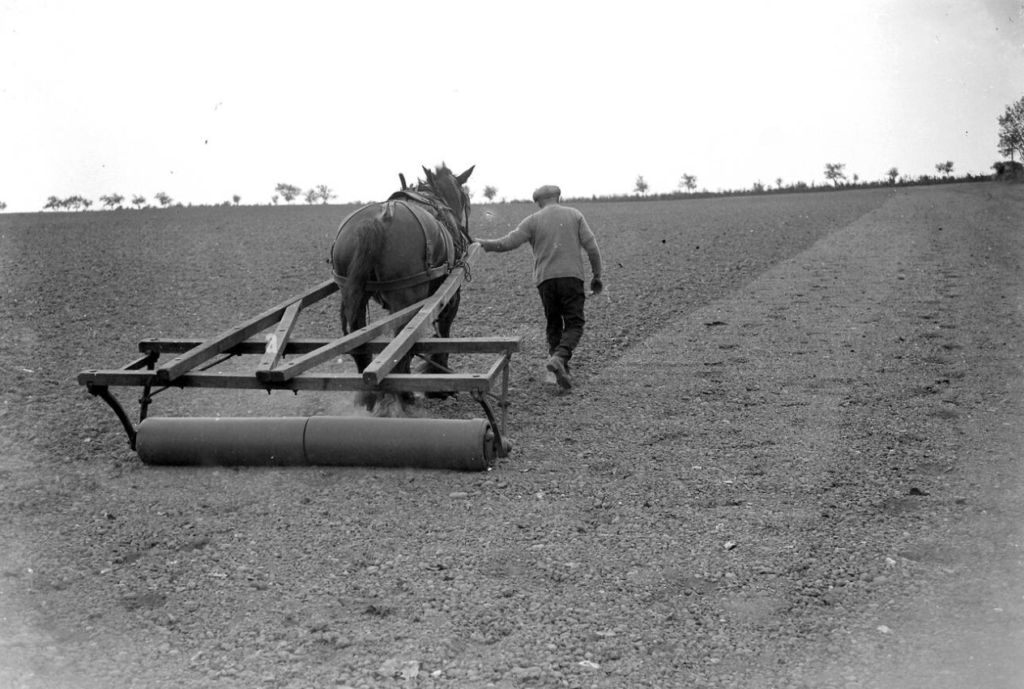
Dipping into antiquity, we find the early incarnations of land rollers. Farmers employed hefty stones or sturdy logs to even out their fields. This rudimentary approach was not merely about flattening; it was crucial. It helped break soil clods, enhance seed-to-soil contact, and achieve a uniform planting bed. As agriculture’s demands morphed, so did the sophistication of these tools.
The 19th century’s industrial revelry, marked notably by the introduction of steam-powered machinery, heralded a new epoch in farming. The era saw the emergence of cast iron rollers, some adorned with teeth or smooth surfaces, designed to compact soil meticulously, curb water wastage, and bolster crop emergence. Yet, these contraptions, albeit revolutionary, were somewhat rigid and lacked the adaptability required for diverse agricultural needs.
The narrative of land rollers is further enriched as we stride into the industrial revolution’s later stages. Innovations in material science and manufacturing processes catalyzed the evolution of more dynamic land rollers. By the dawn of the 20th century, steel had largely supplanted cast iron, enhancing both durability and operational efficiency. The integration of adjustable widths and hydraulic mechanisms afforded farmers unprecedented flexibility, enabling precise adaptations to varied field conditions.
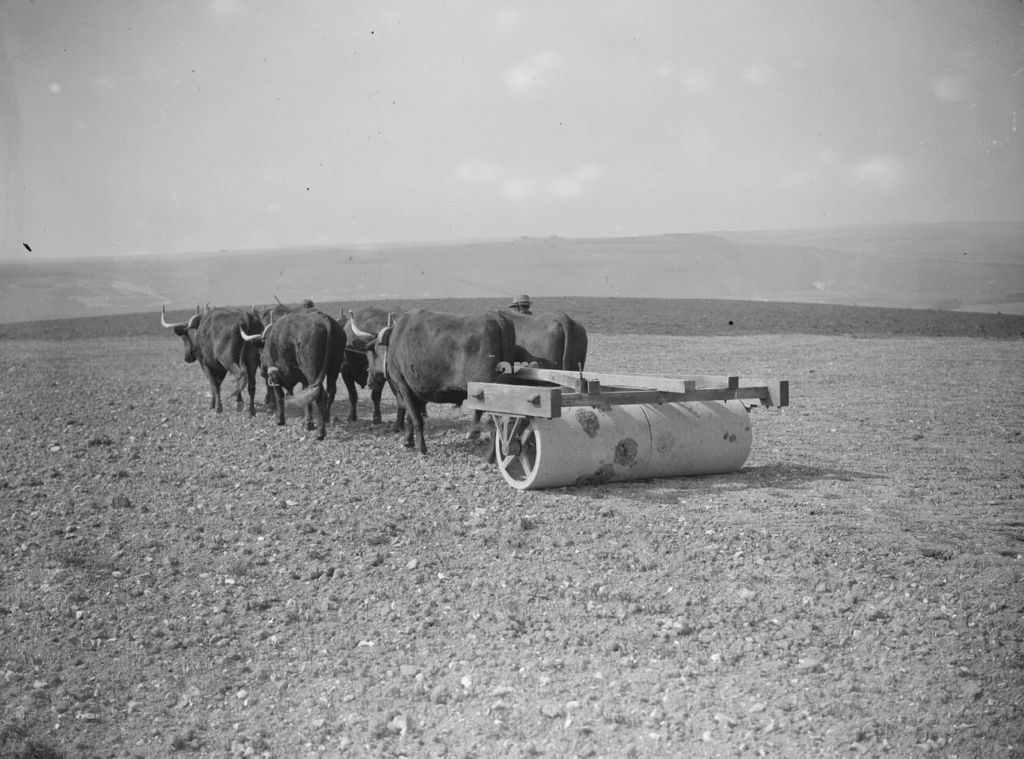
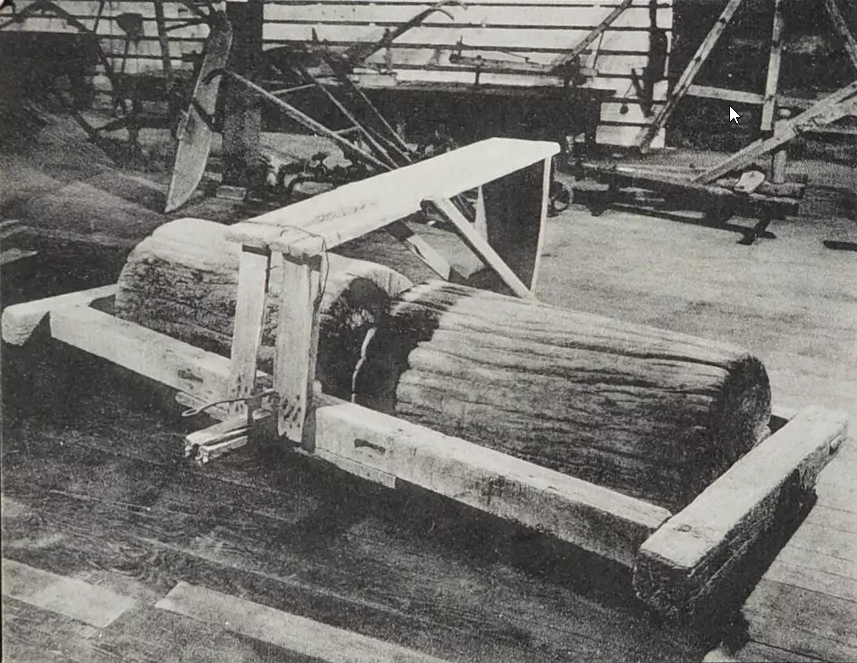
Land rollers have been an integral component of agricultural practices since at least the mid-19th century. These vital tools, designed to compact soil and smooth out fields post-seeding, showcase a fascinating evolution in farming technology.Initially made from natural resources like tree trunks, chosen for their durability and accessibility, these rollers showcase a time when local craftsmanship utilized available materials to fulfill farming needs. This use of organic materials highlights the resourcefulness of early agricultural methods. As agricultural technologies advanced, so did the design of land rollers, evolving from simple, manually-operated devices to more complex machinery. Despite these advancements, the core purpose of land rollers in aiding crop cultivation has steadfastly remained the same.
We also recommend you read our article: Why do Farmers Use Land Rollers?
In eras gone by, land rollers were basic contraptions, pieced together from natural materials such as wood and stone readily found in the environment. Wood, while malleable and relatively easy to manipulate, fell prey to degradation from the elements. Conversely, stone, with its robustness, presented logistical challenges due to its hefty nature and inflexible shape, which impeded its adaptability across diverse landscapes.
With the dawn of industrialization, a transformative phase began with the integration of metals like iron and steel into land roller fabrication. This transition was not merely a leap in durability but also a revolution in engineering precision. Presently, high-grade steel and iron, fortified against corrosion and wear, are the cornerstones of land roller production. These metals are frequently enveloped in specialized, enduring paints that brave the environmental onslaughts, ensuring longevity.
To gain a clearer understanding of the current manufacturing methods, let’s examine the case of the Mandako plant in Canada.
Mandako, a leader in the agricultural equipment industry, exemplifies modern manufacturing excellence. The plant employs state-of-the-art CNC machines, like the Mazak Quick Turn 250 MSY, which are renowned for their high performance and versatility. This particular model enhances productivity by allowing for multitasking—simultaneous milling and turning, which reduces the time taken to produce parts.
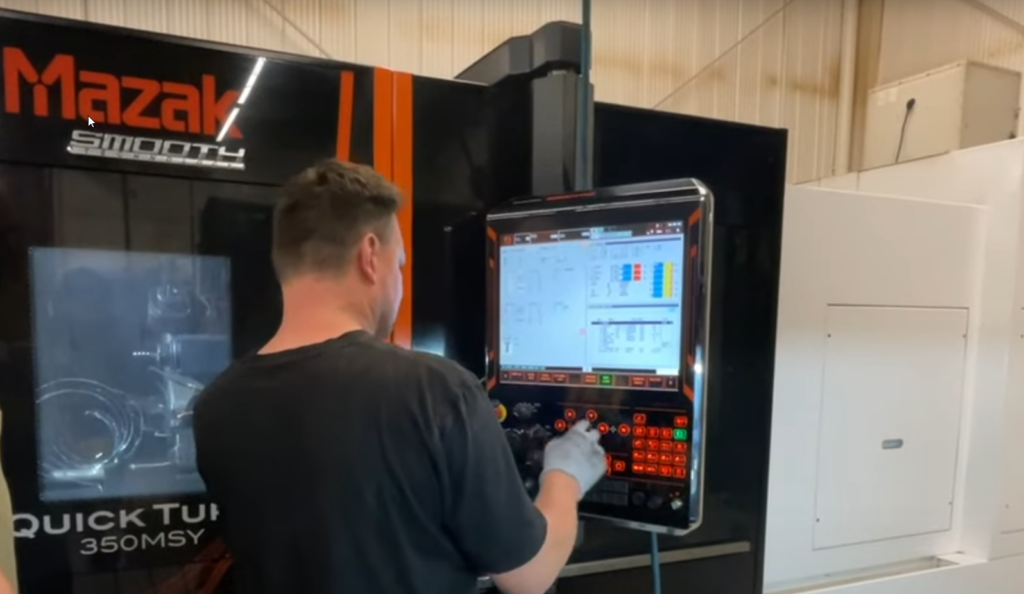
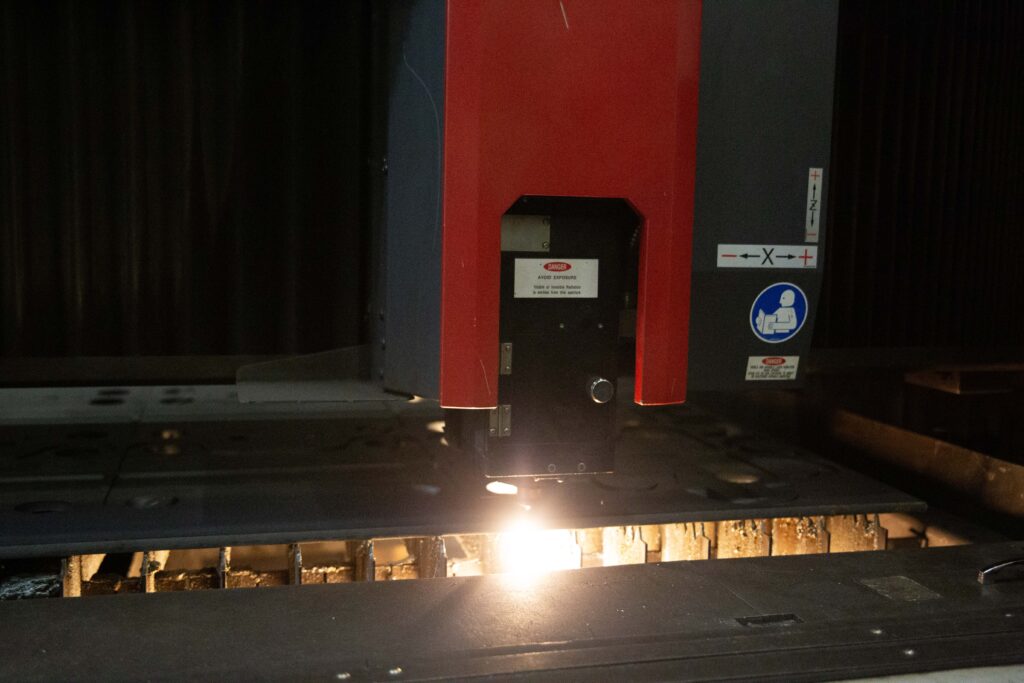
Precision Engineering at Mandako
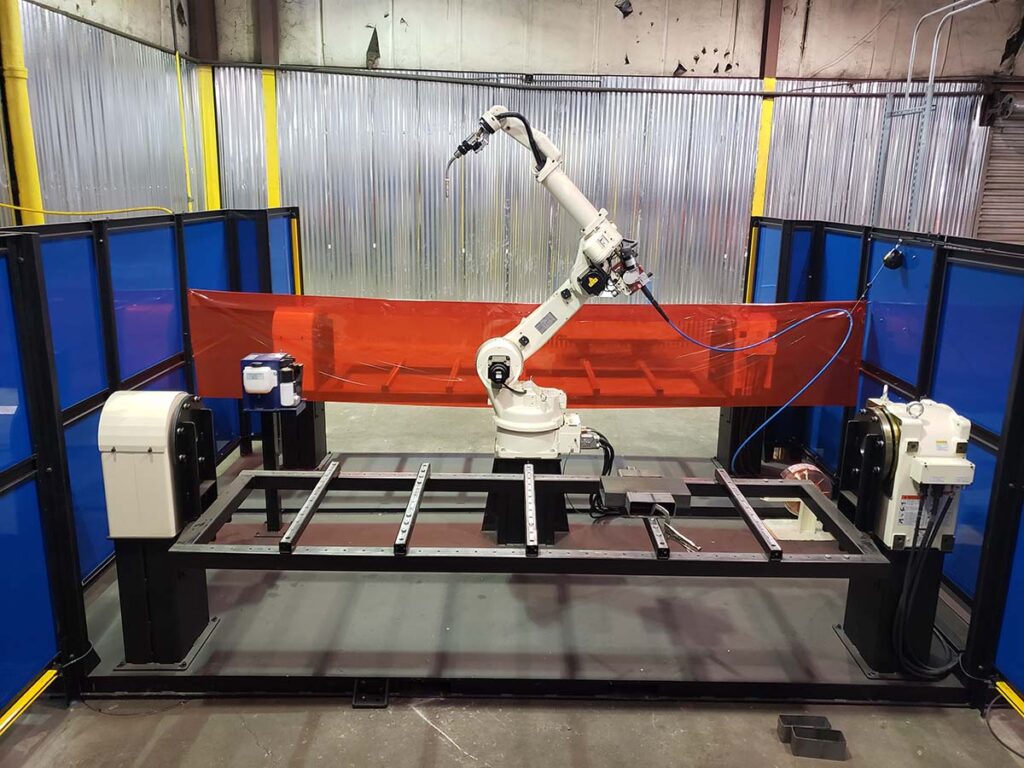
The advent of robotic welding stations marks a significant evolution from traditional manual welding, particularly for repetitive tasks. These automated stations, driven by CNC technology, ensure uniformity in quality while bolstering manufacturing efficiency.
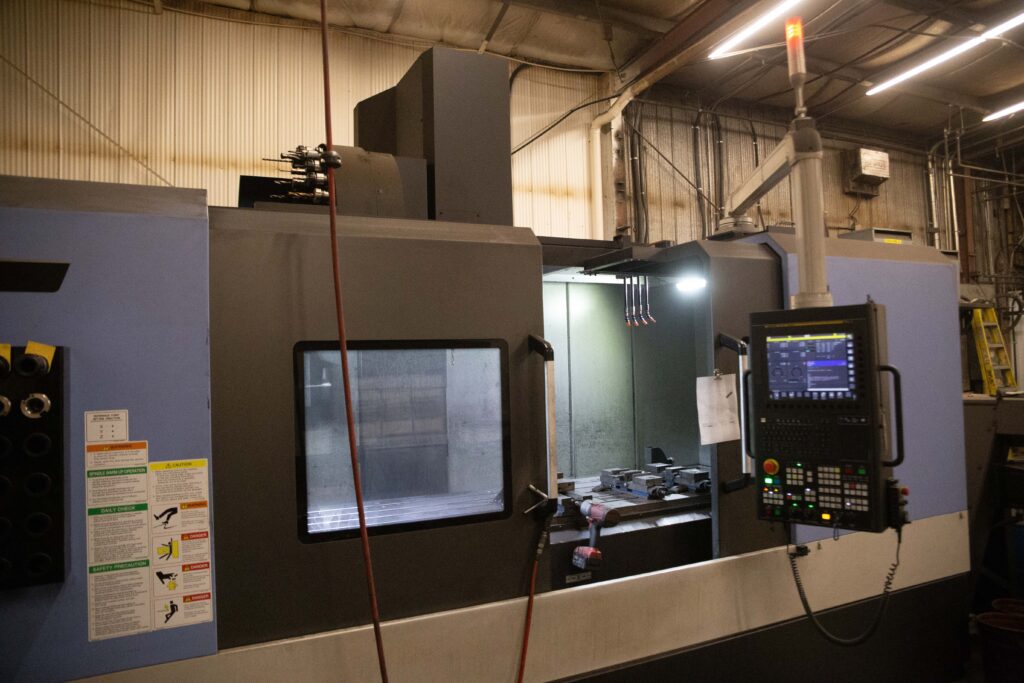
Another pivotal element in Mandako’s array of advanced technology is the Doosan DNM 750L vertical machining center. Celebrated for its precision and ability to manage large components, the DNM 750L plays a crucial role in crafting complex parts that adhere to rigorous quality benchmarks. This ensures impeccable assembly and boosts the functionality of the land rollers, maintaining Mandako’s reputation for excellence in agricultural machinery.
The reliability of modern land rollers is further enhanced by the use of high-quality lubricants in all moving parts, reducing wear and tear and extending the machinery’s operational life.
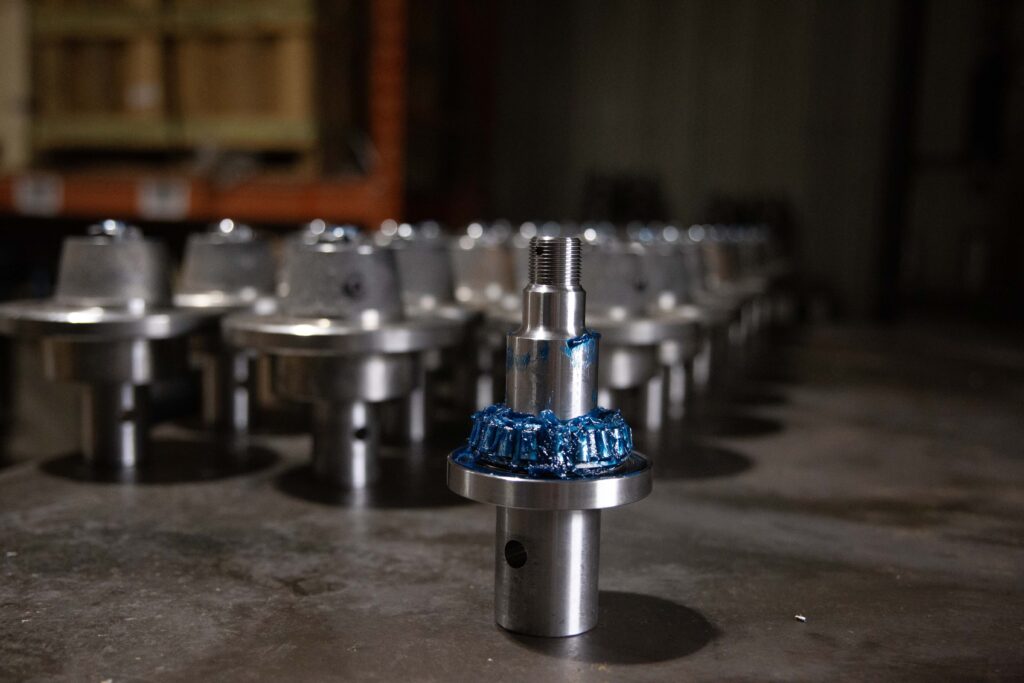
Moreover, the thickness of the metal used in today’s rollers is optimized for maximum durability without compromising efficiency.
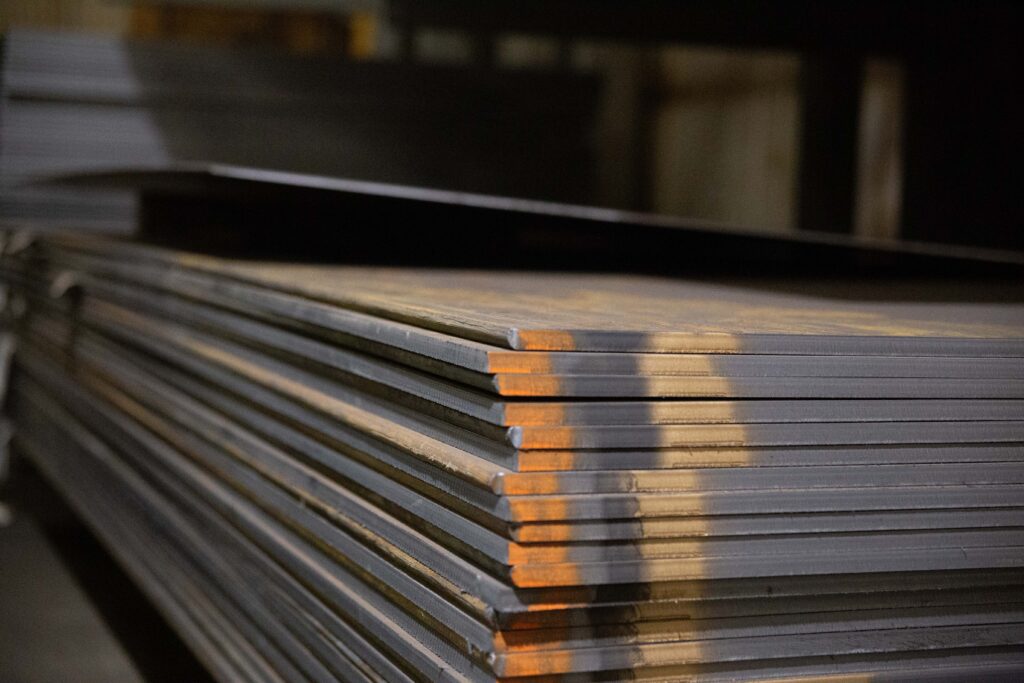
The transition from basic wooden and stone rollers to today’s advanced steel and iron models represents a significant advancement in agricultural equipment manufacturing. Mandako’s use of cutting-edge technologies and sturdy materials reflects an industry-wide shift toward more efficient, durable, and precise tools. This steady advancement is vital for improving land roller functionality and for enhancing sustainable practices and productivity in global agriculture.
Publication Date: 04 May 2024 Estimated Reading Time: 5 minutes
Meet our team at an upcoming event and get a hands-on look at Mandako's latest tillage solutions.


The Benefits of Vertical Tillage: How to Choose the Right Equipment Understanding Vertical Tillage and Its Benefits Vertical tillage involves…
Read More →